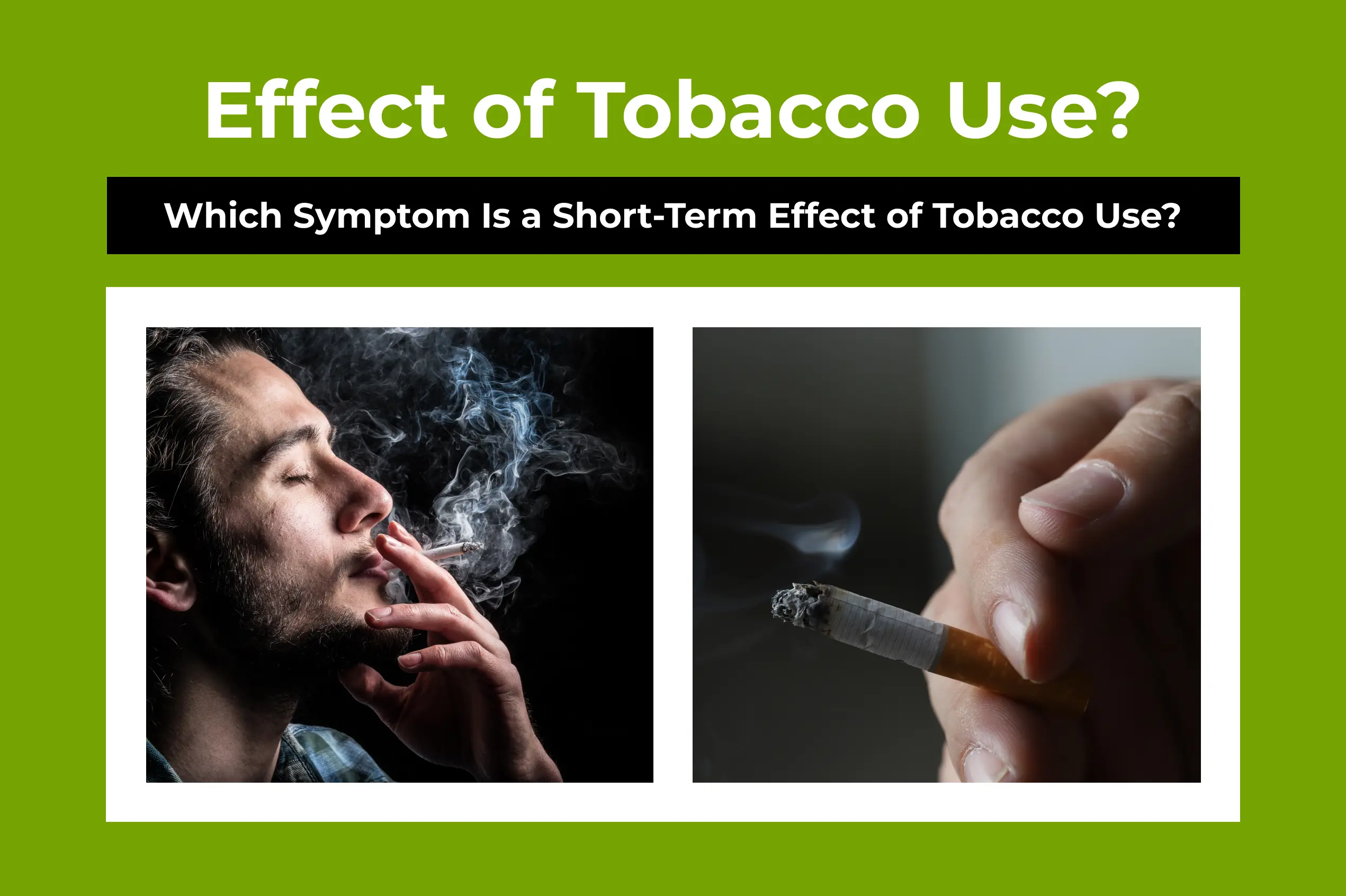
Tobacco impacts the heart, lungs, skin, teeth, and brain within minutes. While many focus on long-term effects like cancer, understanding quick harms can motivate quitting. Tobacco begins to harm the body without delay, impacting nearly every system. The good news? Quitting can reverse many short-term and long-term health issues.
Alongside temporary sensations, negative changes occur. Tobacco smoke irritates the throat and lungs. It raises heart rate and blood pressure. New users may feel dizzy or nauseous. These quick responses show that tobacco harms the body from the very first use.
What Are the Short-Term Effects of Tobacco?
Tobacco use leads to quick effects. You can feel them within minutes of smoking, chewing, or breathing in secondhand smoke. Nicotine causes a fast heart rate and higher blood pressure. Many users feel throat irritation, cough, and shortness of breath. Smoke impacts the respiratory system. Tobacco can dull the senses, which makes it difficult to taste and smell food.
Users might experience dizziness, nausea, and restlessness. This is more common for new or occasional users. It also leaves bad breath and an unpleasant odor on clothes and skin. These effects may seem minor, but they prove the rapid disruption tobacco causes to the body’s normal functions.
Users see common symptoms right after use
- Increased Heart Rate and Blood Pressure:Nicotine causes a rapid increase in heart rate and blood pressure. This puts extra stress on the cardiovascular system, even for young or healthy individuals. This contributes to the “rush” many feel after smoking.
- Bad Breath and Stained Teeth: Tobacco creates a strong odor in the mouth, leading to noticeable bad breath. Even short-term use can discolor teeth and cause plaque buildup.
- Coughing and Throat Irritation: Toxic particles in tobacco smoke irritate the throat and airways. This irritation triggers coughing as the body works to expel them. Many first-time users feel a burning sensation or scratchy throat.
- Reduced Sense of Taste and Smell: Chemicals in tobacco dull the nerves that detect flavors and scents. Users may find food less enjoyable and notice a weakened sense of smell after just a few uses.
- Shortness of Breath: Tobacco smoke blocks airflow and harms lung function. This can cause shortness of breath, especially when you exercise. This symptom can appear early and worsen with continued use.
How Short-Term Effects Differ from Long-Term Risks
Coughing, dizziness, and a fast heartbeat are short-term effects. These warning signs show that harm starts with the very first use of tobacco. These signs might fade within hours. They show how rapidly nicotine and other chemicals can disrupt the body. Long-term effects, such as cancer or serious lung disease, develop over time. They can lead to permanent damage. Short-term effects are early warnings. Long-term effects are serious results of ignoring those warnings.
Why Youth Face Greater Harm from Tobacco Use
Youth are at greater risk from tobacco because their bodies are still growing. Their brains are more sensitive to addictive substances like nicotine. Even occasional smoking can lead to sharper breathing difficulties and stronger cravings compared to adults. Young users learn habits more quickly, increasing the chance of addiction after just a few tries. Combined with social influences, this makes tobacco use in youth especially dangerous, setting the stage for long-term health problems.
Steps to Reduce and Prevent Tobacco Harm
- Avoid the first cigarette: Prevention is easier than quitting after addiction has started.
- Choose healthy alternatives: Exercise, meditation, or hobbies can replace tobacco for stress relief.
- Get help from professionals: Talk to a counselor or join a support group. Also, try nicotine patches or gum. These can help you quit smoking and stay tobacco-free.
- Parental guidance: Discussing the dangers of tobacco with teens can lower their curiosity. It also makes them less likely to succumb to peer pressure.
- Educational programs: Schools and communities can raise awareness of risks.
- Government policies: Higher tobacco taxes, advertising bans, and smoke-free laws discourage use.
- Public awareness campaigns: Ongoing messaging helps to change social attitudes toward tobacco.
Final Thoughts
Tobacco might seem safe at first, but it causes significant harm to the body over time. Some early signs include coughing, feeling dizzy, a fast heartbeat, and trouble breathing. For young people, even trying it a few times can lead to addiction and serious health problems later. Noticing early signs and acting on them helps us avoid harm and live healthier lives.
FAQs
Q1. What are the most common short-term effects of tobacco use?
The most common short-term effects are:
- Increased heart rate
- Higher blood pressure
- Coughing
- Throat irritation
- Dizziness
- Bad breath
Q2. How soon does tobacco affect the body? Tobacco affects the body within seconds. Nicotine reaches the brain in about 10–15 seconds, creating an immediate “kick.”
Q3. Can one cigarette cause harm? Yes. Even one cigarette can raise heart rate, irritate the lungs and throat, and lower oxygen levels. Occasional smoking is not safe.
Q4. Do short-term effects of tobacco disappear within a brief period? Some symptoms may fade within hours, but repeated use increases the risk of long-term health damage.
Q5. Why are young people more vulnerable to tobacco? Young people are more vulnerable. Their bodies and brains are still growing, which makes nicotine more addictive.
Q6. What steps can help reduce short-term harm? Avoiding tobacco is best. For users, seeking medical advice is key. Trying nicotine replacements can also help. Additionally, using healthier stress-relief methods is beneficial.