Did you know that 1 in 5 adults experience depression in their lifetime? 60% of people cannot tell the difference between sadness and depression. Over 280 million people worldwide suffer from depression today. Studies show 75% of people with depression don’t seek help because they think it’s just sadness. Research indicates proper understanding of mental health reduces treatment delays by 40%. Over 90% of treated depression cases show significant improvement within weeks.
Do you feel sad more often than usual and wonder if it’s normal? Do you struggle to know when sadness becomes a real mental health concern? Many people confuse temporary sadness with clinical depression regularly. This confusion prevents millions from seeking the necessary professional help and treatment. Sadness typically passes after a few days or weeks naturally. Depression lasts for months or years without proper treatment. Depression affects your work, relationships, and daily functioning completely.
Understanding the difference between sadness and depression can save lives. Recognizing depression early leads to faster treatment and better outcomes. Professional help is available and highly effective for depression management. Knowing when to seek help can prevent years of unnecessary suffering. This comprehensive guide explains sadness and depression in clear, simple terms. You’ll learn the key differences and discover exactly when to seek help.
What is Sadness
Sadness is a normal human emotion. Everyone experiences sadness in life. It is a natural response to loss. Sadness helps us process difficult events.
Understanding Normal Sadness
Sadness happens when something upsets you. You might feel sad after losing something. Bad news can make you sad. Disappointments cause sadness in everyone. This feeling is temporary and passes. You can still function during sadness. Sadness is part of being human.
Common Causes of Sadness
Loss of a loved one triggers sadness. Relationship breakups make people feel sad. Job loss causes temporary feelings. Financial problems can lead to sadness. Disappointment from unmet expectations causes sadness. Failure at something important makes you sad. Moving away from home creates sadness.
How Long Does Sadness Last
Sadness usually lasts a few days. Some sadness goes away in hours. Big losses may cause sadness for weeks. Time helps sadness fade away naturally. You start feeling better gradually each day. Sadness intensity always decreases over time. Normal life returns after sadness passes.
What is Depression
Depression is a serious mental health condition. It affects how you think and feel. Depression is not just feeling sad. It is a medical condition needing treatment.
Understanding Clinical Depression
Depression affects brain chemistry and function completely. It changes how you see the world. Depression makes everything feel hopeless and dark. You lose interest in things you loved. Energy levels drop very low constantly. Concentration becomes extremely difficult during depression.
Types of Depression
Major depression is the most common type. Persistent depressive disorder lasts two years or more. Seasonal affective disorder happens during the winter months. Postpartum depression occurs after having a baby. Bipolar disorder includes depression and mania episodes.
Depression as a Medical Condition
Depression results from chemical imbalances in the brain. Genetics plays a role in depression risk. Life experiences can trigger depression episodes completely. Brain structure differences may cause depression symptoms. Medical treatment helps most people with depression.
Key Differences Between Sadness and Depression
Sadness and depression have important differences. Understanding these helps identify what you feel. Knowing the difference guides treatment decisions.
Duration and Persistence
| Aspect | Sadness | Depression |
| Duration | Days to weeks | Weeks to months or years |
| Pattern | Comes and goes | Constant and persistent |
| Triggers | Specific events | May have no clear cause |
| Recovery | Natural over time | Requires professional help |
Impact on Daily Life
Sadness allows you to function normally. You can work and do daily tasks. Depression makes daily activities extremely difficult. Getting out of bed feels impossible. Work performance drops significantly during depression. Self-care becomes neglected with depression completely.
Physical and Mental Symptoms
Sadness causes crying and feeling down. Depression brings extreme fatigue and tiredness. Sadness does not change sleep patterns. Depression causes insomnia or excessive sleeping. Appetite stays normal with sadness, usually. Depression changes appetite significantly, up or down.
Is It Sadness or Depression
Determining if you have sadness or depression. Recognizing the signs helps you decide. Knowing when to seek help is important.
Warning Signs of Depression
Feeling sad most of the day. Loss of interest in activities you enjoyed. Significant weight changes up or down. Sleep problems, including insomnia or oversleeping. Fatigue and low energy every day. Feelings of worthlessness or excessive guilt. Difficulty concentrating or making decisions consistently.
Self-Assessment Questions
- Have feelings lasted more than two weeks constantly
- Do you struggle with daily tasks regularly
- Have you lost interest in hobbies completely
When to Seek Professional Help
Feelings lasting more than two weeks need attention. Thoughts of self-harm require immediate help always. Inability to function at work or home. Relationships are suffering due to your mood. Physical symptoms appearing without a medical cause. Friends expressing concern about your behavior.
Sadness vs Depression Symptoms
Comparing symptoms helps identify what you experience. Each condition has distinct symptom patterns. Understanding these patterns guides proper treatment.
Emotional Symptoms Comparison
Sadness brings temporary feelings of unhappiness. Depression causes persistent hopelessness and emptiness. Sadness allows moments of happiness still. Depression makes feeling joy nearly impossible. Sadness relates to specific situations clearly. Crying happens with both conditions often.
Physical Symptoms Comparison
Sadness rarely causes significant physical symptoms. Depression brings constant fatigue and exhaustion. Sadness maintains normal sleep patterns usually. Depression disrupts sleep with insomnia or oversleeping. Appetite stays relatively normal during sadness. Depression causes significant appetite and weight changes.
Behavioral Symptoms Comparison
Sadness allows continued daily activities, mostly. Depression causes withdrawal from social activities. Sadness keeps work performance relatively stable. Depression significantly impacts job performance consistently. Hobbies still interest you during sadness. Depression eliminates interest in previously enjoyed activities.
How to Tell If It’s Sadness or Depression
Identifying your condition requires careful assessment. Several factors help determine the difference. Monitoring symptoms over time provides clarity.
Timeline and Duration
Track how long feelings have lasted. Sadness improves within days or weeks. Depression persists for months without improvement. Note if feelings come and go. Sadness fluctuates based on circumstances daily. Depression remains constant regardless of events. Consider if time helps feelings improve.
Severity of Symptoms
Assess impact on daily functioning honestly. Sadness allows normal life to continue. Depression makes basic tasks feel impossible. Rate your ability to work effectively. Sadness maintains work capacity mostly intact. Depression severely impairs work performance always. Evaluate sleep and eating patterns carefully.
Response to Positive Events
Notice how you react to good news. Sadness lifts temporarily with positive events. Depression prevents enjoying good things completely. Check if activities bring any pleasure. Sadness allows some enjoyment of favorites. Depression eliminates joy from everything, always.
Treatment and Coping Strategies
Both sadness and depression need different approaches. Proper treatment depends on accurate identification. Getting help always improves outcomes significantly.
Coping with Normal Sadness
Talk to friends and family members. Express feelings through writing or art. Engage in physical exercise and activities. Maintain regular sleep and eating schedules. Give yourself time to grieve losses. Practice self-compassion during difficult times. Stay connected with supportive people always.
Professional Treatment for Depression
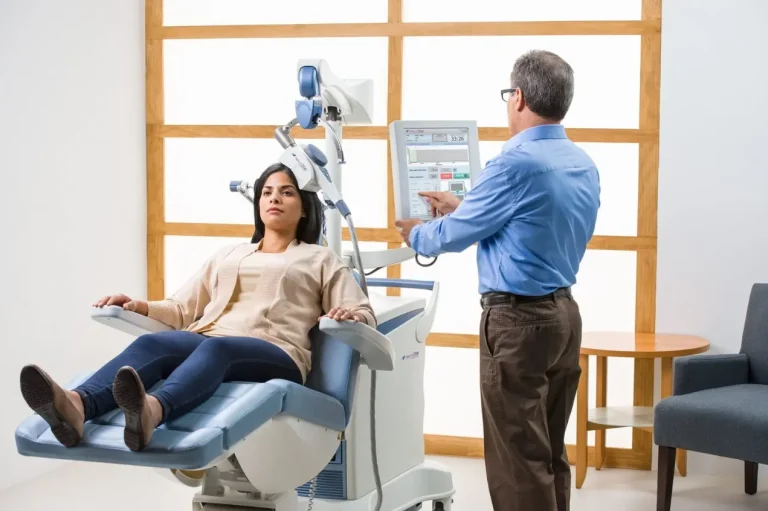
Therapy helps most people with depression. Cognitive behavioral therapy is very effective. Medication balances brain chemistry when needed. A combination of therapy and medication works best. Regular check-ins with mental health professionals. Treatment takes time but brings improvement.
Self-Care for Mental Health
- Exercise regularly for mood improvement
- Maintain healthy sleep habits consistently
- Eat nutritious meals throughout the day
Conclusion
Sadness and depression are very different conditions. Sadness is temporary and passes with time. Depression is a serious medical condition needing treatment. Knowing the difference helps you get proper help. Duration, severity, and impact distinguish the two. Professional help is available and very effective. Getting treatment improves life quality significantly.
FAQs
How long does normal sadness last?
Sadness usually lasts a few days to weeks. Most people start feeling better naturally with time. If sadness continues beyond two weeks, it may be depression. The intensity of sadness decreases gradually each day.
Can sadness turn into depression?
Yes, prolonged untreated sadness can develop into depression. When sadness lasts too long without improvement, seek help. Life stressors combined with sadness increase the risk.
Is depression just extreme sadness?
No, depression is a medical condition affecting brain chemistry. It involves more than just feeling very sad. Depression includes physical symptoms and changes in thinking.
Does everyone with depression feel sad?
No, some feel numb or empty instead of sad. Many people with depression feel emotionally flat or hollow. Loss of all feelings is common in depression. Sadness is just one possible symptom of depression.
How do I know if I need help?
If symptoms last over two weeks or affect daily life. When you cannot function normally at work or at home. If you have thoughts of harming yourself ever. When friends and family express concern about changes.