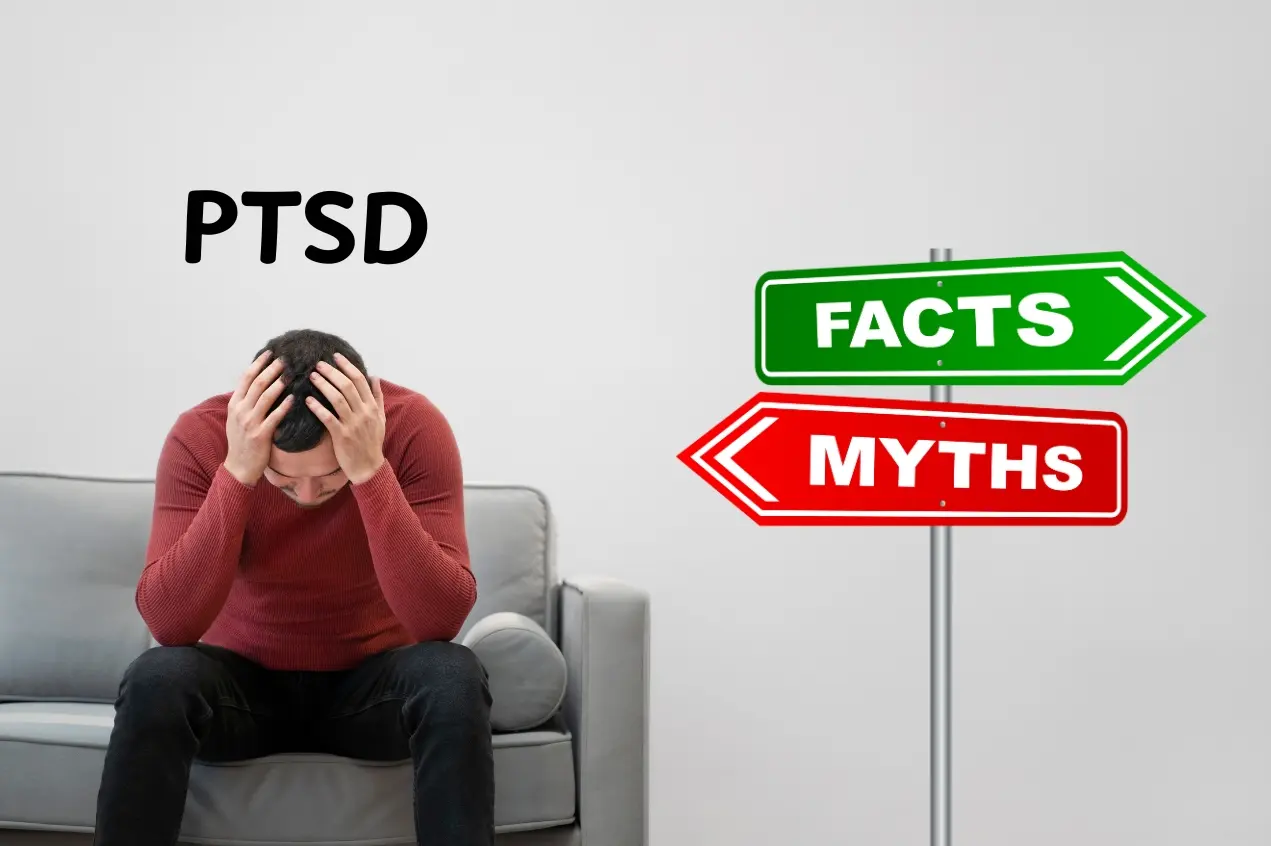
When you hear “PTSD,” what comes to mind? For many, the immediate image is of military veterans haunted by the scars of war. But this image, while partially true, is just one piece of a far larger puzzle. Post-Traumatic Stress Disorder, or PTSD, is a complex mental health condition that affects millions from all walks of life, not just those in the armed forces.
Myths about PTSD, from it being “just in your head” to assuming it only happens to soldiers, make understanding and recognizing PTSD even harder. So let’s break down these misconceptions and uncover the facts about PTSD—not just in veterans but across the entire population.
Understanding PTSD: What It Is and Who It Affects
Post-Traumatic Stress Disorder (PTSD) is a mental health condition that arises after exposure to a traumatic event. Many assume that only veterans experience PTSD, but the reality is that it can impact anyone who has faced a situation where they felt their life or safety was in danger.
Common symptoms include flashbacks, nightmares, difficulty sleeping, and severe anxiety, which can disrupt daily life and relationships. Although PTSD is well-recognized in mental health fields, myths about the condition often lead to misunderstandings, preventing people from seeing PTSD as a legitimate and treatable condition.
Myths and Facts about PTSD
PTSD is a complex condition that affects people differently based on their experiences, personal background, and coping mechanisms. Below, we break down some of the most persistent myths about PTSD and provide the facts that can help paint a clearer picture of this condition.
Myth 1: PTSD Only Affects Military Veterans
Fact: PTSD can affect anyone who experiences a traumatic event.
PTSD is frequently associated with military service due to the intense nature of combat, yet any traumatic event can result in PTSD. From car accidents and natural disasters to personal loss and abuse, people from all walks of life can experience this disorder.
Studies reveal that PTSD in the general population is often triggered by events outside military contexts, affecting individuals who witness or endure traumatic events firsthand. Traumas like accidents, natural disasters, and violence are among the most common non-combat-related causes of PTSD.
Myth 2: PTSD Symptoms Always Appear Immediately
Fact: PTSD symptoms may appear months or even years after a traumatic experience.
Many people believe that PTSD symptoms manifest right after a traumatic event, yet delayed-onset PTSD is a recognized condition. Symptoms can emerge suddenly, long after the event, as memories resurface or new stressors occur.
Known as “delayed-onset PTSD,” this delayed response can happen months or even years after a traumatic experience. Life events, environmental changes, or other triggers can bring up previously repressed memories, often catching the individual off guard and amplifying the trauma’s impact.
Myth 3: PTSD is a Sign of Personal Weakness
Fact: PTSD is caused by biological responses in the brain, not personal strength or weakness.
One of the most harmful myths is that PTSD is a sign of weakness or mental fragility. In reality, PTSD is rooted in physiological changes that occur after traumatic events, particularly in parts of the brain linked to memory and fear. Trauma can reshape the brain’s stress response, creating pathways that automatically associate specific triggers with intense fear or distress.
PTSD is not a choice—it’s an involuntary reaction to trauma, often involving deeply ingrained neurological processes. The idea that PTSD reflects personal weakness overlooks the brain’s complex response to life-threatening experiences.
Myth 4: People with PTSD Cannot Lead Normal Lives
Fact: Many people with PTSD lead fulfilling, successful lives with proper support.
Contrary to popular belief, many individuals with PTSD maintain healthy relationships, excel in their careers, and find joy in daily life. With treatment, PTSD symptoms can be managed effectively, and people can regain control over their lives. Treatment approaches like Cognitive Behavioral Therapy (CBT),
Eye Movement Desensitization and Reprocessing (EMDR), and medications have been shown to greatly improve symptoms, providing tools to navigate life with PTSD. Many with PTSD are active members of society, demonstrating that with the right support, they can thrive and function fully.
Myth 5: PTSD Causes Violent Behavior
Fact: PTSD does not inherently cause violence, and most people with PTSD are not dangerous.
Media portrayals sometimes depict people with PTSD as violent or unstable, yet research shows that most individuals with PTSD are non-violent. The condition typically involves symptoms like anxiety, fear, and avoidance rather than aggression.
Some people with PTSD may experience heightened reactivity, but they are far more likely to withdraw or isolate than act violently. When anger or aggression occurs, it’s often in response to feelings of intense fear or helplessness—not an inclination toward violence.
Myth 6: Trauma Always Leads to PTSD
Fact: Experiencing trauma does not necessarily result in PTSD for everyone.
While trauma is a primary factor in developing PTSD, not everyone who experiences trauma will develop the disorder. Research indicates that only a portion of those who undergo traumatic events will have PTSD as a lasting effect.
Factors such as support systems, coping mechanisms, pre-existing mental health conditions, and even personality traits can influence a person’s response to trauma.
Many people experience stress, anxiety, and distress after a traumatic event but find ways to process these emotions over time, helping them avoid long-term PTSD symptoms.
Myth 7: PTSD Symptoms are the Same for Everyone
Fact: PTSD symptoms vary widely and affect people differently.
PTSD is not a “one-size-fits-all” condition, and symptoms can look very different across individuals. The DSM-5 categorizes PTSD symptoms into four main clusters: re-experiencing, avoidance, negative changes in thoughts and mood, and hyper-arousal.
One person may experience severe nightmares and flashbacks, while another may feel numb, emotionally distant, or avoid anything connected to the trauma.
Even within each category, there are variations—such as whether a person feels intense fear, guilt, or shame. Recognizing this diversity in symptoms helps foster a better understanding of PTSD as a highly individualized experience.
Myth 8: PTSD is Not Treatable
Fact: PTSD is treatable, and many individuals experience significant improvement.
One of the most damaging myths is the idea that PTSD cannot be managed or treated effectively. In truth, various evidence-based treatments have proven successful in helping individuals cope with PTSD symptoms.
Therapies such as Cognitive Behavioral Therapy (CBT), Prolonged Exposure Therapy, and Eye Movement Desensitization and Reprocessing (EMDR) help people reframe traumatic memories, reduce anxiety, and build healthy coping mechanisms.
Additionally, medication can alleviate symptoms like depression and anxiety, making therapy even more effective. Seeking treatment is not only beneficial but can also significantly improve quality of life and foster resilience.
Myth 9: Only “Weak” People Seek Help for PTSD
Fact: Seeking help for PTSD is a courageous step toward healing.
The stigma that seeking help for PTSD indicates weakness can prevent people from reaching out for the support they need.
Acknowledging PTSD and seeking treatment is a sign of resilience rather than fragility. Therapy for PTSD can be an intensive process, often involving confronting difficult memories and emotions, which requires immense strength.
By seeking help, individuals take control of their mental health, counteracting the negative effects of trauma. The real strength lies in the courage it takes to address mental health challenges openly and strive toward recovery.
The Importance of Understanding PTSD Myths and Facts
Addressing the myths and misconceptions surrounding PTSD is crucial not only for those affected but for society as a whole. When we understand PTSD facts and myths, we become better equipped to offer support and reduce the stigma that often surrounds mental health.
Greater awareness can encourage those struggling with PTSD to seek treatment without fear of judgment and can help those in their lives offer more compassionate, informed support.
How to Support Someone with PTSD?
If you or someone you know is dealing with PTSD, education is the first step toward effective support. Understanding what PTSD is and what it isn’t helps in communicating, offering compassion, and encouraging treatment. Here are a few ways to support someone with PTSD:
- Listen Without Judgment: Offer a safe space for them to share if they feel comfortable.
- Encourage Professional Help: Gently encourage them to speak with a mental health professional who can provide tailored treatment.
- Learn About PTSD Symptoms: Being informed about PTSD symptoms can help you respond appropriately if they are triggered.
- Respect Their Boundaries: Individuals with PTSD may have specific triggers, so be mindful of activities or conversations that could cause discomfort.
- Stay Patient and Compassionate: Recovery is a journey, and having consistent support can make a big difference.
Bottom Line
Dispelling myths about PTSD and embracing the facts are critical steps toward building a supportive, understanding environment for everyone affected by trauma. Whether it’s combat-related or rooted in other life experiences, PTSD is a real, treatable condition that requires empathy, awareness, and action.
By recognizing PTSD for what it truly is—a mental health condition driven by trauma, not personal choice—we can contribute to a world where those affected feel empowered to seek help, knowing they are understood and supported.