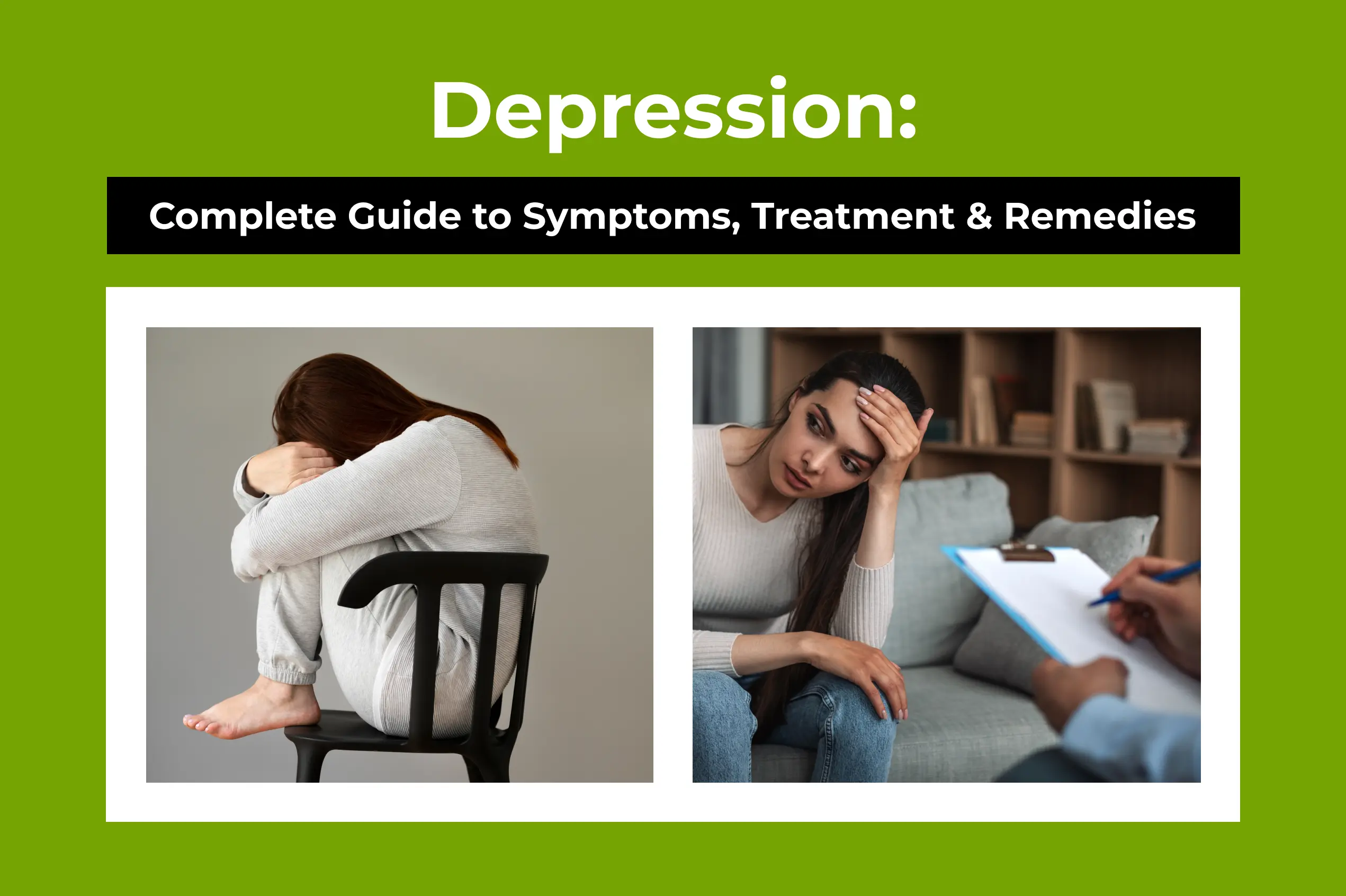
Are you feeling sad or empty most days? Do you struggle to enjoy activities you used to love? Depression affects over 280 million people worldwide. In the United States, about 21 million adults have depression each year. This is 8.4% of all US adults. Depression is the leading cause of disability worldwide. Women get depression twice as much as men. The condition costs the US economy over $200 billion yearly.
What is depression? How does it affect people? Depression is a serious mental health problem. It affects mood, thoughts, and daily activities. It goes far beyond normal sadness. The condition causes feelings of sadness and hopelessness. Depression can last for weeks, months, or years. Physical symptoms often come with emotional symptoms. These include fatigue, sleep problems, and appetite changes. Depression affects people of all ages.
How common is depression? Who gets it most? Depression rates have increased 25% since COVID-19. Young adults aged 18-25 have the highest rates at 17%. Older adults over 65 have rates around 5%. People with chronic medical conditions face a higher depression risk of depression. Family history increases risk by 2-3 times. Major life changes and trauma can trigger episodes.
Understanding Depression
Depression is a mental health condition. It has many different forms and causes. Understanding the basics helps recognize symptoms.
What is Depression?
Depression is a mood disorder. It causes feelings of sadness and loss of interest. It affects how you think, feel, and handle daily activities. Depression is different from normal sadness. The condition changes brain chemistry. Brain chemicals like serotonin become unbalanced. Depression can develop slowly or appear suddenly. Symptoms must last at least two weeks for diagnosis.
Types of Depression
Several types of depression exist. They have different symptoms and patterns. Understanding these types helps with diagnosis and treatment. Major depression has severe symptoms. Seasonal depression occurs during the winter months. It happens with less sunlight. Postpartum depression affects women after childbirth. Each type may need different treatment.
Common Signs and Symptoms
Depression symptoms affect emotions, thoughts, and behavior. Recognizing these signs helps people seek help early:
- Feeling sad or empty most of the time
- Loss of interest in activities once enjoyed
- Feelings of hopelessness or worthlessness
Other symptoms include difficulty concentrating. Changes in appetite or weight are common. Sleep problems like insomnia happen often. Fatigue and loss of energy affect daily life.
Physical Symptoms of Depression
Depression causes many physical symptoms. These physical effects can be just as bad as mood symptoms.
Depression, Dark Circles, and Eye Changes
Depression often causes changes around the eyes. Dark circles under the eyes are a common sign. Poor sleep quality causes this appearance change. Depression affects sleep patterns. People may have trouble falling asleep. Others may have trouble staying asleep. Some people sleep too much but still feel tired. It also causes puffy eyes. Crying episodes can cause eye puffiness and redness.
Sleep and Appearance Effects
Sleep problems from depression affect how you look. People may look tired, pale, or older. Weight changes from appetite loss are common. Weight gain from overeating also happens. Personal hygiene may decline during severe episodes. Posture often becomes slouched. These changes reflect the struggle with depression.
Body Language and Physical Changes
Depression changes how people move. Body language reflects emotional state. Face expressions become flat or sad-looking. Eye contact decreases during conversations. Movements become slower. Hand gestures are reduced. These changes help others recognize when someone needs support.
Depression in Popular Culture
Popular culture shows depression through symbols and characters. These help raise awareness. Sometimes they make the condition seem too simple.
Depressing Symbols in Art and Media
Many symbols represent depression in art and media. These help people express difficult emotions. Common symbols include dark storm clouds. Wilted flowers and broken objects are used. Empty rooms symbolize loneliness. Black and gray colors represent sadness. Rain and winter scenes appear in depressive art.
Effy’s Depression in Skins
The character Effy Stonem in the TV show Skins showed depression realistically. Her storyline showed how depression affects teenagers. The show showed self-harm, medication, and therapy honestly. Effy’s depression storyline connected with many viewers. The show helped reduce stigma around mental health. Many fans found comfort in seeing their struggles on screen.
Cultural Impact and Awareness
Media portrayals of depression have mixed effects. Good portrayals help reduce stigma. Bad portrayals can perpetuate myths about mental illness. Social media has created new ways to discuss depression. Online communities provide support networks. However, social media can also cause depression. Balanced media helps public education.
Treatment Options for Depression
Many treatment options exist for depression. Most people improve with proper treatment and support.
Professional Medical Treatment
Professional treatment is the foundation of depression care. Mental health professionals provide proven treatments. Therapy helps people understand and change thought patterns. Cognitive behavioral therapy works well for depression. Medication can restore brain chemistry balance. Antidepressants work for moderate to severe cases.
Natural and Alternative Approaches
Natural approaches can help with professional treatment. These methods support mental health and well-being. Regular exercise acts as a natural antidepressant. Sunlight exposure helps regulate mood and sleep cycles. Social support from friends and family helps. Stress reduction techniques like meditation help manage symptoms.
Homeopathy for Depression
Homeopathy for depression uses diluted natural substances. Some people find homeopathic remedies helpful for mild symptoms. Common remedies include Natrum muriaticum for grief-related depression. Ignatia is used for emotional shock. Aurum metallicum is suggested for deep depression. However, scientific evidence for homeopathy is limited.
Getting Disability Benefits for Depression
Depression can qualify for disability benefits. It must severely impair functioning. Understanding the process helps people access financial support.
Can You Get Disability for Depression?
Yes, you can get disability benefits for depression. The Social Security Administration recognizes depression as a disability. Your depression must be severe enough to prevent working. Symptoms must last 12 months or more. Medical paperwork must support your limitations. The condition must impair daily activities and social functioning.
Application Process and Requirements
The disability application process needs medical evidence. Gathering proper paperwork improves approval chances.
| Requirement | Description | Timeline |
| Medical records | 12+ months treatment history | Ongoing |
| Daily limits | Daily activity limitations | Current |
| Work history | Past 15 years of employment | Historical |
| Forms | Complete disability paperwork | 30-60 days |
Conclusion
Depression is a serious but treatable mental health condition. It affects millions worldwide. The disorder causes emotional, physical, and cognitive symptoms. These impair daily functioning. Professional treatment remains essential. Many treatment options exist. These include therapy, medication, and natural approaches. Homeopathy may provide extra support. Early recognition and treatment lead to better outcomes. Support from family, friends, and healthcare providers is crucial for recovery.
FAQs
What are the main symptoms of depression?
Main symptoms include sadness, loss of interest, hopelessness, fatigue, sleep problems, and difficulty concentrating.
Can you get disability benefits for depression?
Yes, severe depression that prevents working for 12+ months can qualify for Social Security disability benefits.
Why does depression cause dark circles under the eyes?
Depression disrupts sleep patterns and causes fatigue. This leads to dark circles and puffy eyes from poor rest.
Is homeopathy effective for treating depression?
Scientific evidence for homeopathy is limited. It should only be used as extra therapy with proven medical treatments.
How long does depression typically last?
Depression varies widely. Episodes may last weeks to months without treatment. Most people improve with proper care.