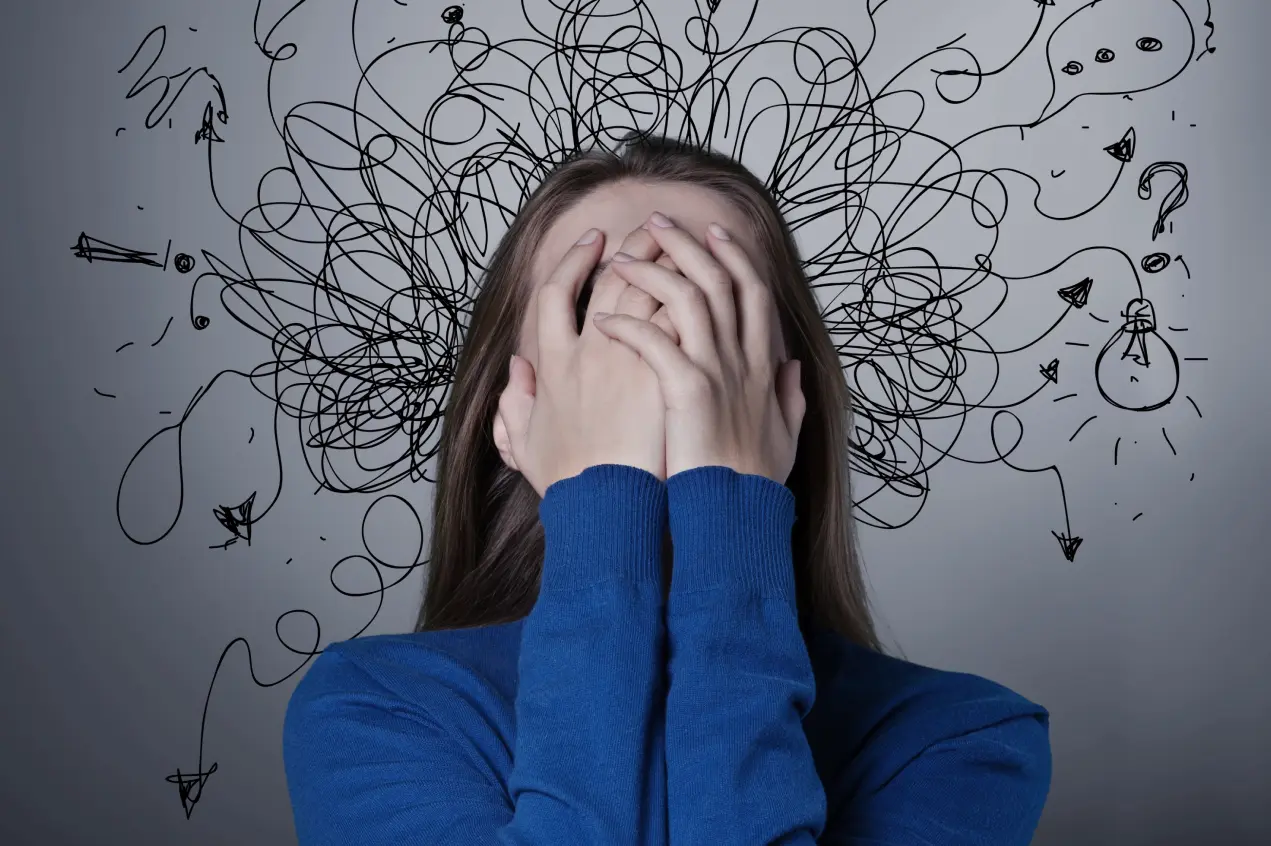
We all face stress in different forms—whether it’s a tight deadline at work or dealing with personal challenges. But what happens when stress becomes more than just a temporary feeling? The key lies in understanding the difference between stress and strain. Stress is a natural response to life’s demands, but when it’s prolonged, it can lead to strain—an ongoing burden that can affect your physical and mental health.
In this article, we’ll explore the essential difference between stress and strain, their impact on mental health, and, most importantly, how you can manage them effectively to prevent burnout, anxiety, and other serious health issues.
What is Stress?
Stress is a natural response that occurs when we feel threatened or challenged. It’s the body’s way of reacting to demand, whether it’s physical, emotional, or mental. This reaction often involves the release of hormones like adrenaline and cortisol, which trigger the “fight or flight” response, preparing us to face the challenge head-on.
Stress can arise from a variety of sources: work deadlines, personal relationships, financial struggles, or major life events such as moving or the loss of a loved one.
While stress is a part of everyday life, it can vary in intensity. Some stress is beneficial—this is called eustress.
Eustress is the kind of stress that pushes you to perform well under pressure, like preparing for a presentation or meeting a challenging goal.
On the other hand, there’s distress, which is negative stress. It can overwhelm your mind and body, affecting your health, behavior, and overall well-being.
Common Stressors Include:
- Work pressure and deadlines
- Family or relationship issues
- Financial struggles
- Major life changes (e.g., moving, illness, death)
- Personal expectations and perfectionism
Everyone experiences stress differently. What might feel manageable to one person could be overwhelming to another. That’s why stress is not only about external events but also how we perceive and cope with them. It’s this perception that influences whether stress will remain short-term or turn into something more harmful.
What is Strain?
While stress is an immediate reaction, strain refers to the long-term effects of sustained stress. Strain is the physical, emotional, and psychological toll that accumulates over time when stress is not managed effectively.
Unlike stress, which may subside once the trigger is removed, strain persists. It’s the result of enduring, unresolved stress that can lead to burnout, chronic fatigue, depression, and even physical illnesses like heart disease.
When we don’t address the sources of stress or develop coping strategies, strain starts to manifest. This could look like feeling constantly overwhelmed, having trouble sleeping or experiencing physical symptoms like headaches or stomach issues.
Over time, strain can impact your ability to function at work or in social settings, making it harder to enjoy life or maintain your well-being.
Key Examples of Strain:
- Burnout: Emotional exhaustion from prolonged stress, often seen in caregivers, healthcare workers, or individuals in high-pressure jobs.
- Anxiety and Depression: Persistent stress can lead to chronic anxiety or depressive episodes.
- Chronic Illness: A strain on the body can increase vulnerability to illnesses like hypertension, heart disease, and digestive issues.
The strain doesn’t just affect individuals—workplaces and communities can also experience collective strain when stress becomes widespread, leading to a decrease in productivity, engagement, and mental health across the board.
It’s crucial to recognize the signs of strain early so that proactive steps can be taken to prevent more serious consequences.
Stress vs Strain: The Key Differences
Though often used interchangeably, stress and strain are two distinct concepts. Here’s a quick breakdown of their differences:
- Stress is the immediate response to a challenge. It’s short-term and can be caused by external pressures like deadlines, conflict, or changes in your environment.
- Strain, on the other hand, is the long-term result of continuous or unresolved stress. It represents the wear and tear on your mental and physical health after prolonged exposure to stress.
To illustrate the difference, think of stress as a stretch on an elastic band. Initially, the band stretches but returns to its original shape once the pressure is released.
However, if the band is stretched too long or too much without relief, it may eventually snap or become deformed. This is strain—when the body or mind can no longer cope with the persistent pressure.
Impact of Stress and Strain on Mental Health
Stress can have a significant impact on mental health. While short-term stress can provide motivation and focus, chronic or prolonged stress can lead to mental health issues such as anxiety, depression, and panic disorders. Constant stress overloads the brain’s ability to cope, leading to a breakdown in cognitive and emotional functioning.
The physical effects of stress are equally alarming. Chronic stress leads to a variety of health issues, including high blood pressure, insomnia, weakened immune function, and digestive problems.
When stress is not addressed and allowed to turn into strain, these effects can worsen, contributing to burnout and serious mental health disorders.
Short-Term Impact of Stress:
- Increased heart rate and blood pressure
- Anxiety and irritability
- Difficulty concentrating or sleeping
- Decreased appetite or overeating
Long-Term Impact of Strain:
- Chronic fatigue
- Mental exhaustion or burnout
- Increased vulnerability to physical illnesses like heart disease and gastrointestinal issues
- Decreased motivation and sense of hopelessness
Understanding this impact is critical for early intervention. If stress isn’t managed, it can slowly transition into strain, which takes a much longer time to heal and can potentially have a lasting effect on one’s health.
How to Manage Stress and Prevent Strain?
Effectively managing stress before it leads to strain is essential for preserving mental and physical health. Here are some strategies to help manage stress and prevent it from turning into harmful strain:
1. Identify Stressors Early:
Recognizing the sources of your stress is the first step. Whether it’s work-related, personal, or environmental, identifying stressors allows you to address them before they escalate.
2. Practice Stress-Relief Techniques:
Techniques such as mindfulness, deep breathing exercises, and meditation can help reduce the physiological effects of stress. Mindfulness has been shown to decrease cortisol levels and improve emotional regulation.
3. Build Resilience:
Building resilience through therapy, support networks, and coping strategies can help you bounce back more quickly from stress. Developing a more flexible mindset allows you to see challenges as opportunities for growth rather than insurmountable obstacles.
4. Seek Support:
Don’t hesitate to reach out for help. Whether it’s talking to a counselor, joining a support group, or leaning on friends and family, social support is critical in buffering stress and strain.
5. Focus on Self-Care:
Prioritize activities that promote well-being, such as exercising, eating well, and getting enough rest. Exercise is a proven way to lower stress hormones and release endorphins, helping you feel better both mentally and physically.
By recognizing the early signs of stress and implementing effective coping mechanisms, you can reduce the likelihood of stress becoming a chronic strain.
Taking proactive steps now ensures you maintain a healthier, more resilient mind and body in the face of life’s inevitable challenges.
Psychological Interventions & Therapies for Stress and Strain
Managing stress and preventing strain is not always easy, especially when the demands of life seem overwhelming. That’s where psychological interventions and therapies play a critical role. Various therapeutic techniques can help individuals cope with stress, reduce strain, and enhance resilience.
Here are a few effective approaches:
Cognitive Behavioral Therapy (CBT)
CBT is a widely used therapeutic approach that focuses on changing negative thought patterns that contribute to stress and strain. It teaches individuals to reframe their thoughts, helping them respond more effectively to stressors.
CBT also helps identify unhealthy coping mechanisms and replaces them with healthier, more adaptive strategies. This form of therapy has been proven to reduce anxiety, depression, and stress, offering long-term benefits for mental well-being.
Mindfulness-Based Stress Reduction (MBSR)
Mindfulness practices help individuals stay grounded in the present moment, making it easier to manage stress. By focusing on one’s thoughts, feelings, and bodily sensations without judgment, mindfulness reduces the emotional and physical impact of stress.
Mindfulness-based stress reduction (MBSR) is often used in clinical settings to help individuals with chronic stress, anxiety, and strain. Techniques such as meditation, deep breathing, and body scans promote relaxation and stress relief.
Supportive Therapy and Counseling
Sometimes, simply having someone to talk to can make a world of difference. Supportive therapy and counseling provide a safe space to discuss personal stressors and receive guidance.
Trained counselors or therapists help individuals work through challenging situations, offering emotional support and coping strategies. This approach can reduce feelings of isolation and provide essential tools for stress management and resilience building.
Social Support and Peer Networks
Building a strong social support network is another vital aspect of managing stress and preventing strain. Having friends, family, or coworkers to lean on during tough times can provide a sense of comfort and security.
Social support serves as a buffer against stress, helping individuals navigate adversity and offering a fresh perspective on difficult situations. Support groups, whether in person or online, can also provide a sense of belonging and validation, reducing feelings of loneliness and hopelessness.
By integrating these psychological interventions into daily life, individuals can improve their mental health, reduce the strain caused by chronic stress, and develop healthier coping mechanisms.
Preventing Strain: Self-Care and Lifestyle Adjustments
Preventing strain is all about making lifestyle choices that prioritize mental health and well-being. Small, consistent changes to your routine can have a big impact on reducing stress and its long-term effects. Here are a few self-care practices that can help prevent strain:
Quality Sleep
Sleep is essential for restoring the body and mind. Chronic stress can disrupt sleep patterns, which in turn worsens stress and strain. Prioritizing sleep hygiene—such as maintaining a consistent sleep schedule, creating a restful environment, and reducing screen time before bed—can improve sleep quality and reduce the effects of stress. Aim for 7-9 hours of sleep each night to support both physical and mental health.
Regular Physical Activity
Exercise is one of the best ways to combat stress. Physical activity stimulates the production of endorphins, the body’s natural mood lifters. Regular exercise, such as walking, yoga, or swimming, can help reduce tension, clear the mind, and improve resilience against stress. Aim for at least 30 minutes of moderate exercise most days of the week to enjoy these benefits.
Nutrition and Hydration
What you eat affects your mood and stress levels. A balanced diet rich in fruits, vegetables, whole grains, and lean proteins provides the nutrients your body needs to cope with stress. Avoiding excessive caffeine, alcohol, and junk food can help prevent mood swings and high anxiety. Staying hydrated is also crucial—dehydration can increase feelings of stress and fatigue, so be sure to drink plenty of water throughout the day.
Mindful Practices and Relaxation Techniques
Incorporating relaxation techniques into your routine, such as progressive muscle relaxation, deep breathing, or guided imagery, can help lower stress. These practices can activate the parasympathetic nervous system, calming the body and mind. Taking a few minutes each day to practice relaxation can reduce the negative effects of stress and prevent it from turning into strain.
By committing to these self-care practices, you’re taking proactive steps to prevent strain from taking hold and ensure your mental and physical health remains strong, no matter the challenges life presents.
Resilience Building: Strengthening Your Ability to Handle Stress
Building resilience is essential for managing stress and preventing strain. Resilience is the ability to bounce back from adversity, and it can be cultivated through practice. Strong resilience allows individuals to face life’s challenges without becoming overwhelmed or succumbing to the negative effects of stress.
Here are some strategies to build resilience:
Develop a Positive Outlook
Resilient individuals tend to maintain a positive attitude, even in the face of difficulties. Focusing on the potential for growth in challenging situations, rather than dwelling on the negatives, can foster emotional strength. Cultivating optimism and practicing gratitude can shift your mindset and reduce the impact of stress.
Problem-Solving Skills
Being able to effectively solve problems helps reduce stress by providing clarity and direction during tough times. When faced with a stressful situation, focus on identifying solutions rather than getting bogged down by the problem itself. This approach reduces feelings of helplessness and increases your confidence in handling challenges.
Social Connections
Strong, supportive relationships are critical to building resilience. Surrounding yourself with positive, encouraging people can provide emotional support during stressful times. Social connections offer both practical assistance and emotional relief, helping to buffer the negative effects of stress and strain.
Maintain Flexibility
Being adaptable is key to resilience. Life rarely goes according to plan, and resilient people are able to adjust to changes and unexpected events. Flexibility allows you to cope with stress more effectively, reducing the chance of strain setting in.
By actively working on building resilience, you’ll be better equipped to manage stress and prevent it from evolving into long-term strain.
Summary
Stress is a natural part of life, but it’s important to recognize when it shifts into strain. Both stress and strain can have significant effects on mental and physical health, but with the right tools and strategies, you can prevent strain from taking hold. By practicing effective stress management techniques, building resilience, and prioritizing self-care, you can navigate life’s challenges with a healthier, more balanced mindset.
Remember, managing stress is not a one-time fix but an ongoing process. Small adjustments in your habits and mindset can go a long way in protecting your well-being, allowing you to thrive even in the face of adversity.
Take the time to understand your stressors, seek support when needed, and develop coping mechanisms that work for you. Your mental health deserves it.