Do you feel stressed every day? Are you worried about your health? Stress affects 77% of people regularly, according to studies. About 73% of people experience stress that impacts their mental health. Stress causes 60% of all illnesses and diseases. Over 40% of adults lie awake at night due to stress. Understanding different types of stress helps you manage better. Knowing stress types can improve your quality of life. This guide explains all types of stress simply.
There are two main types of stress people experience. Acute stress happens quickly and ends fast. Chronic stress lasts for long periods of time. Research shows 33% of people feel extreme stress daily. Stress costs the US economy $300 billion annually. About 48% of people say stress impacts their work performance negatively. Physical symptoms of stress affect 77% of people regularly. Mental symptoms affect 73% of people experiencing stress.
This guide covers both acute and chronic stress. We explain what each type means clearly. You will learn the symptoms of both. We show the differences between them too. Managing stress becomes easier when you understand the types. Good stress management improves health and happiness. Read on to learn about stress types.
What is Acute Stress
Acute stress is short-term stress that happens suddenly. It comes fast and goes away quickly. This type of stress is the most common.
Definition of Acute Stress
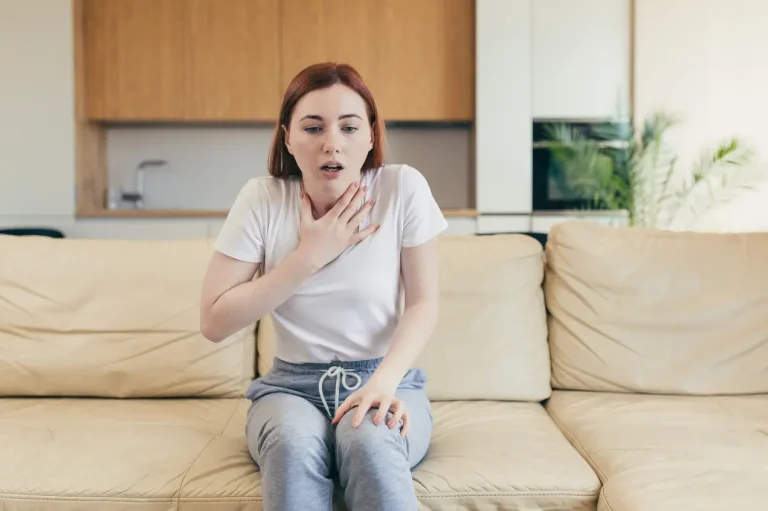
Acute stress is the body’s immediate response to threat. It happens when you face a challenge suddenly. Your body reacts to protect you from danger. This stress lasts for minutes or hours only. Most people experience acute stress multiple times daily. The body returns to normal after the threat passes.
Common Causes of Acute Stress
Job interviews cause acute stress for many people. Public speaking triggers immediate stress responses in the body. Traffic jams create short-term stress while driving daily. Arguments with family or friends cause acute stress. Taking important exams creates temporary stress for students. Near-miss accidents trigger immediate stress responses quickly.
Symptoms of Acute Stress
- Rapid heartbeat and increased blood pressure immediately
- Sweating and trembling in the hands or body
- Stomach upset or butterflies in the stomach
What is Chronic Stress
Chronic stress lasts for weeks, months, or years. It builds up slowly over long periods. This type of stress is more dangerous than acute stress.
Definition of Chronic Stress
Chronic stress is long-term stress that does not go away. It happens when problems continue without resolution daily. Your body stays in stress mode constantly. This stress can last for months or even years. About 25% of Americans experience chronic stress regularly. The body never fully relaxes or recovers properly.
Common Causes of Chronic Stress
Long-term financial problems create ongoing stress for families. Unhappy marriages or relationships cause chronic stress daily. Demanding jobs with constant pressure lead to chronic stress. Caring for sick family members causes long-term stress. Living in unsafe neighborhoods creates continuous stress and worry.
Symptoms of Chronic Stress
Physical symptoms include constant fatigue and low energy. Frequent headaches and body aches occur regularly. Sleep problems like insomnia happen almost every night. Digestive issues like stomach pain become common problems. High blood pressure develops from long-term stress exposure. Weight gain or loss happens due to stress.
Acute vs Chronic Stress
Acute and chronic stress differ in many ways. Understanding differences helps with stress management better.
Duration Differences
Acute stress lasts minutes to hours only typically. It resolves once the stressful situation ends completely. Chronic stress continues for weeks, months, or years. It persists even when the original problem seems resolved. Acute stress episodes are always separate and distinct. Chronic stress feels constant and never-ending to people.
Impact on Health
| Stress Type | Duration | Health Impact | Recovery Time |
| Acute | Minutes to hours | Temporary symptoms | Quick, hours to days |
| Chronic | Weeks to years | Serious health problems | Long months to years |
Acute stress rarely causes long-term health problems overall. The body recovers quickly after acute stress episodes. Chronic stress leads to serious health conditions eventually. Heart disease risk increases with chronic stress exposure. Diabetes and obesity are strongly linked to chronic stress.
Treatment Approaches
Acute stress often requires no specific treatment. Deep breathing and relaxation help with acute stress. Taking breaks during stressful situations helps manage acute episodes. Chronic stress requires professional help and intervention always. Therapy and counseling help manage chronic stress effectively.
Difference Between Acute and Chronic Stress
The main differences between acute and chronic stress are. These differences affect how you should respond. Knowing differences helps you take the right action.
Onset and Development
Acute stress starts suddenly without many warning signs. It happens in response to immediate threats or challenges. Chronic stress develops gradually over long time periods. It builds up slowly as problems continue unsolved. Acute stress is easy to identify and pinpoint. Chronic stress may go unnoticed for a long time.
Biological Response
Acute stress triggers the fight-or-flight response in the body immediately. Adrenaline and cortisol are released quickly during acute episodes. Heart rate and breathing increase temporarily during stress. Chronic stress keeps stress hormones elevated constantly. The body cannot return to normal baseline levels.
Recovery Process
- Acute stress recovery happens naturally within hours
- Body resets to the normal state automatically, fast
- Chronic stress needs active intervention for recovery
Managing Different Types of Stress
Different stress types need different management strategies. Proper management prevents health problems from developing.
Acute Stress Management
Take deep breaths during stressful moments to calm down. Count to ten before reacting to stressful situations. Step away from the stress source temporarily when possible. Practice quick relaxation techniques like progressive muscle relaxation. Talk to someone about what is stressing you. Get physical activity to release stress hormones naturally.
Chronic Stress Management
Seek professional help from a therapist or counselor regularly. Develop healthy daily routines and stick to them. Exercise regularly for at least 30 minutes daily. Practice meditation or mindfulness techniques every day consistently. Build a strong social support network with friends and family. Set boundaries at work and in personal relationships.
Prevention Strategies
Learn to recognize your personal stress triggers early. Develop healthy coping mechanisms before stress builds up. Practice regular self-care activities for mental health. Maintain work-life balance to prevent chronic stress. Address problems early before they become chronic issues. Stay connected with supportive people in your life.
Conclusion
Understanding types of stress helps you manage better. Acute stress is short-term and usually harmless overall. Chronic stress lasts long and seriously damages health. Both types need different management approaches and strategies. Recognizing symptoms early helps prevent health problems. Taking action to manage stress improves life quality.
FAQs
What is the main difference between acute and chronic stress?
The main difference is the duration of stress. Acute stress lasts for minutes or hours only. Chronic stress continues for weeks, months, or years.
Can acute stress turn into chronic stress?
Yes, acute stress can become chronic stress. This happens when stressful situations continue without resolution. If problems are not solved, stress builds up. Over time, repeated acute stress becomes chronic stress.
Is all stress bad for health?
No, not all stress is bad for you. Short-term acute stress can help you perform better. It can motivate you to meet deadlines. However, chronic stress is always harmful to health.
What are the first signs of chronic stress?
Early signs include constant fatigue and tiredness. Sleep problems and difficulty falling asleep occur. Persistent worry and anxiety become common daily.
When should I see a doctor for stress?
See a doctor when stress interferes with daily life. If symptoms persist for more than a few weeks. When you feel hopeless or think about self-harm.