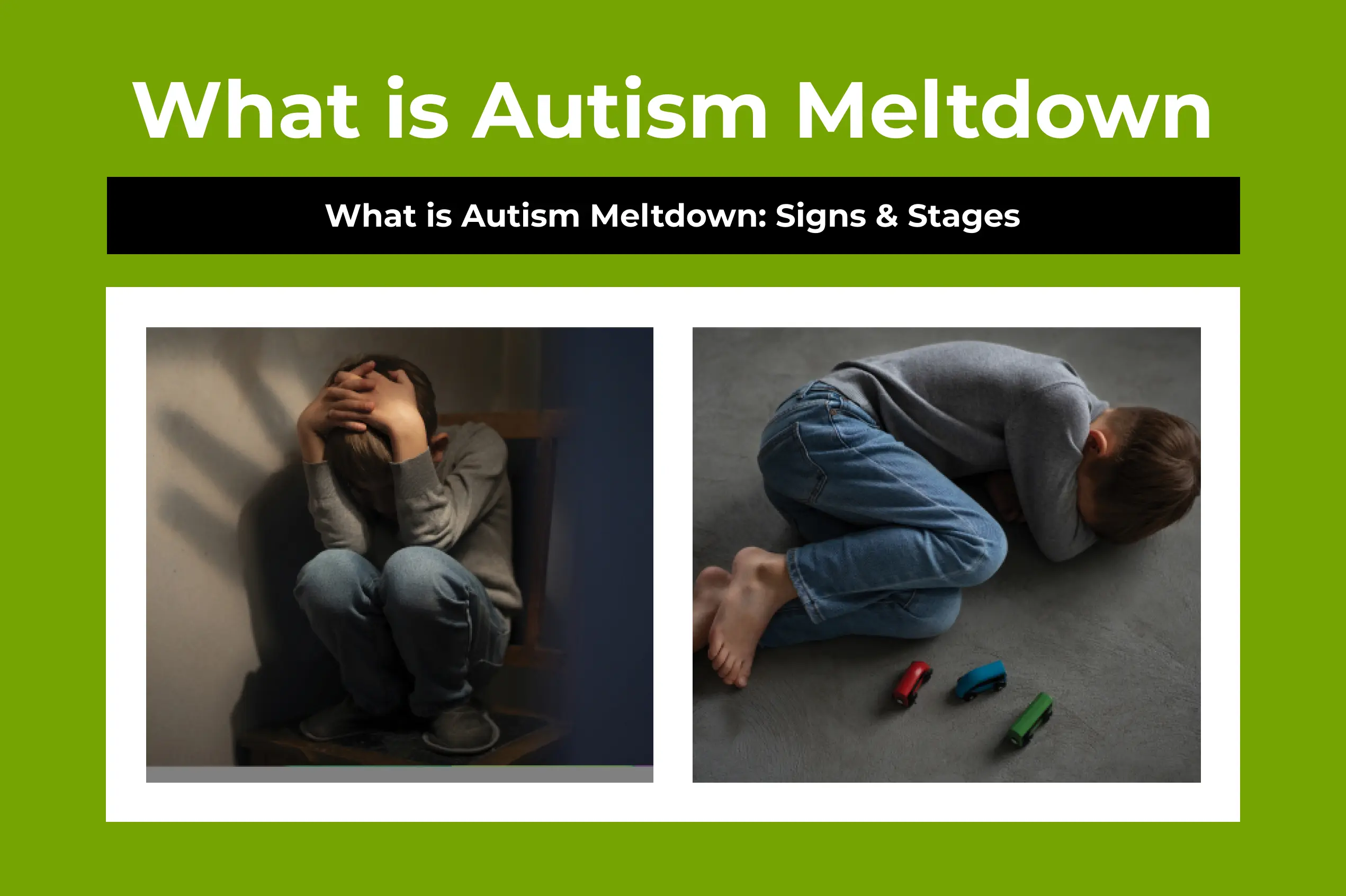
When an autistic person experiences overwhelming stress, sensory overload, or emotional buildup, it can lead to what’s known as an autism meltdown, an intense, uncontrollable response that’s often misunderstood by others. Unlike a tantrum, a meltdown isn’t about getting attention or manipulating a situation; it’s a genuine neurological reaction to overload.
Whether you’re a parent, educator, or adult navigating life on the autism spectrum, understanding the stages, triggers, and signs of an autism meltdown can make a world of difference.
In this article, we’ll break down the six stages of an autism meltdown, explore how it looks in children, adults, and women, and explain the differences between meltdowns, panic attacks, and shutdowns.
What Is an Autism Meltdown?
An autism meltdown is an intense emotional and physical response that occurs when a person on the autism spectrum becomes overwhelmed by stress, sensory input, or emotions. It’s not a behavioral choice or an act of defiance; it’s a neurological overload that temporarily shuts down the person’s ability to self-regulate.
During a meltdown, the brain’s fight-flight-freeze response activates, causing a surge of adrenaline and heightened emotions. This can result in crying, shouting, pacing, or, in some cases, complete withdrawal.
Unlike tantrums, which are typically goal-oriented, autism meltdowns are involuntary and stem from genuine distress. They can happen to children, teens, and adults, regardless of functioning level.
What Does an Autism Meltdown Look Like?
Autism meltdowns can look very different from person to person. Some may appear loud and explosive; others may be quiet and internal. The key is recognizing the signs early, as meltdowns often build up in stages.
Common signs of an autism meltdown include:
- Crying or screaming uncontrollably
- Covering ears or eyes due to sensory overload
- Repetitive movements (rocking, hand-flapping, pacing)
- Aggression toward self or objects
- Complete withdrawal or shutdown
- Difficulty speaking or responding
- Physical symptoms such as trembling or sweating
Signs of Autism Meltdown in Girls
Many girls with autism mask their symptoms, meaning they mimic social behaviors to fit in. Because of this, their meltdowns often go unnoticed or are misinterpreted as mood swings or anxiety attacks.
Signs may include:
- Sudden silence or withdrawal after prolonged social interaction
- Bursting into tears seemingly “out of nowhere”
- Extreme exhaustion or irritability after school or work
- Repetitive or self-soothing behaviors in private
- Complaints of physical pain (headaches, stomachaches) linked to emotional overload
Recognizing these subtle signs helps prevent misdiagnosis and supports early intervention.
The 6 Stages of an Autism Meltdown
Every meltdown follows a pattern, though it varies in intensity and duration. Understanding these six stages can help parents, teachers, and adults identify early warning signs and respond appropriately.
1. Trigger Stage
This is the moment something sets off internal stress, such as a loud noise, a change in routine, or an emotional conflict. The person might not react immediately, but their stress level begins to rise.
2. Escalation Stage
The person starts showing early warning signs like restlessness, fidgeting, or irritability. They might speak louder, pace, or express frustration. This is the best time to intervene calmly and offer a break or quiet space.
3. Crisis Stage
This is the peak of the meltdown, where self-regulation is lost. The person may cry, yell, hit, or completely shut down. It’s essential to maintain safety and minimize stimuli, not to lecture or demand control.
4. Recovery Stage
After the intensity subsides, the person may appear tired, confused, or emotionally numb. They might want to be left alone or need comfort from a trusted person.
5. Post-Meltdown Stage
Here, guilt, shame, or embarrassment can surface, especially in high-functioning individuals or adults who understand what just happened. Empathy and reassurance are key.
6. Learning Stage
Once calm, it’s possible to reflect on triggers and coping strategies. Over time, recognizing these patterns can help prevent future meltdowns or reduce their intensity.
What Triggers Autism Meltdowns?
Autism meltdowns are usually triggered by a buildup of stress rather than one single event. Identifying these triggers is crucial for prevention and support.
Common Triggers Include:
- Sensory overload: Bright lights, loud sounds, strong smells, or crowded spaces.
- Unexpected changes: Sudden schedule shifts or broken routines.
- Communication struggles: Difficulty expressing needs or being misunderstood.
- Social pressure: Overstimulation from group settings or social interactions.
- Emotional distress: Feelings of rejection, fear, or frustration.
- Physical factors: Hunger, fatigue, illness, or hormonal changes.
Each individual’s triggers are unique. Keeping a meltdown journal, noting the time, place, and circumstances, can reveal patterns and help develop personalized coping strategies.
Autism Meltdown in Adults
Many people assume autism meltdowns only happen in children, but that’s far from true. Autism meltdowns in adults can be just as intense, though they often look different. Adults typically have learned to mask or suppress their emotions in public, leading to internal meltdowns or delayed emotional outbursts when alone.
Common adult meltdown signs include:
- Withdrawing suddenly from social situations
- Shutting down communication or going non-verbal
- Crying, pacing, or engaging in repetitive movements
- Feeling trapped, overwhelmed, or desperate to escape a situation
- Experiencing physical tension, headaches, or emotional numbness
These reactions are not a lack of control but a neurological overload response. Many adults, especially those diagnosed later in life, experience shame or confusion about their meltdowns, not realizing that what’s happening is part of their autistic profile, not a personal failure.
High-Functioning Autism Meltdown in Adults
Individuals with high-functioning autism (often diagnosed as Level 1 ASD) may experience meltdowns internally rather than outwardly. This can make them harder to recognize, both by themselves and others.
Characteristics of a high-functioning autism meltdown in adults include:
- Sudden emotional withdrawal or “blankness”
- Inability to speak or focus
- Heightened sensory sensitivity (light, sound, touch)
- Feeling emotionally “flooded” without a visible outburst
- Post-meltdown exhaustion or depression
Because these individuals can mask their distress in public, they often experience meltdowns privately, which can lead to long-term burnout or anxiety if unaddressed. Recognizing the early stages is vital for emotional health and self-regulation.
Autism Meltdown in Adult Women
Autism meltdowns in adult women are often overlooked or misdiagnosed as anxiety, depression, or panic disorders. Women on the spectrum are especially skilled at masking, maintaining composure at work or in social situations, only to “crash” later in private.
Common signs include:
- Crying uncontrollably after prolonged stress or social interaction
- Emotional shutdowns following sensory or emotional overload
- Extreme fatigue, irritability, or brain fog after a busy day
- Physical symptoms (nausea, dizziness, trembling) are tied to emotional distress
Women may also internalize guilt, believing they’re “too sensitive” or “overreacting.” Recognizing these signs as neurological responses, not personal weakness, is essential for better mental health and self-compassion.
Autism Meltdown vs Panic Attack
Because both can involve intense emotional or physical reactions, autism meltdowns and panic attacks are often confused, but they’re very different experiences.
| Aspect | Autism Meltdown | Panic Attack |
| Cause | Sensory/emotional overload | Fear or anxiety trigger |
| Control | Involuntary neurological reaction | May sometimes be managed with breathing techniques |
| Duration | Can last several minutes to hours | Usually 5–20 minutes |
| Physical Response | Crying, shouting, shutdowns, aggression | Heart racing, chest pain, hyperventilation |
| Recovery | Leads to exhaustion or emotional crash | Often relief or calm after attack ends |
| Awareness During Event | Often reduced or lost | Usually aware but terrified |
Understanding these differences helps in offering the right kind of support. For an autistic individual, grounding or reasoning may not work during a meltdown; reducing stimuli and creating safety is the priority.
Autism Meltdown vs Shutdown
A shutdown is another type of autistic response to overload, but instead of an outward explosion, it’s an inward collapse.
During a shutdown:
- The person becomes non-responsive, quiet, or motionless.
- They might stare blankly, curl up, or stop speaking.
- Their brain is essentially “protecting” itself by powering down.
Key differences:
- Meltdowns are external and expressive (crying, yelling).
- Shutdowns are internal and passive (withdrawal, silence).
- Both are equally valid signs of distress, not signs of disobedience or apathy.
It’s important to recognize both reactions as autistic burnout symptoms, often caused by prolonged sensory or emotional strain.
How to Help During and After an Autism Meltdown
Supporting someone through an autism meltdown requires patience, understanding, and calm energy. Your reaction can either escalate or ease the situation.
During the Meltdown
- Stay calm and quiet: Avoid shouting or overexplaining.
- Reduce sensory input: Dim lights, lower volume, and create space.
- Offer safe distance: Don’t touch unless the person asks for it.
- Use short, simple phrases: “You’re safe.” “I’m here.” “Take your time.”
- Ensure safety: Remove dangerous objects if needed.
After the Meltdown
- Allow rest and recovery: The person may feel exhausted or embarrassed.
- Validate their feelings: A simple “It’s okay, you’re safe” can make a huge difference.
- Avoid analyzing immediately: Wait until the person feels ready to talk.
- Encourage self-care: Deep breathing, weighted blankets, or quiet activities can help regulate emotions.
Long-Term Support Strategies
- Maintain predictable routines and structure.
- Identify triggers using a meltdown journal.
- Create calm-down kits (fidgets, headphones, sensory toys).
- Work with occupational or behavioral therapists.
- Promote emotional literacy, teaching how to name and express feelings safely.
Empathy and awareness are the most powerful tools. Remember: meltdowns are not misbehavior, they’re communication through distress.
When to Seek Professional Help
It may be time to seek help if:
- Meltdowns become frequent or severe.
- They lead to self-injury or harm.
- They interfere with work, school, or relationships.
- There’s lasting emotional burnout or depression afterward.
Professionals such as occupational therapists, behavioral specialists, and autism-focused counselors can help identify triggers, teach coping mechanisms, and guide families toward healthier emotional regulation.
The Bottom Line
Autism meltdowns can be distressing, but with understanding, patience, and the right tools, they can also be opportunities for growth and compassion. By learning to recognize the stages, triggers, and unique signs of meltdowns, you can create a world that’s safer, calmer, and more supportive for autistic individuals of all ages.
Empathy turns confusion into connection, and awareness into empowerment. 🌿
FAQs
Q1. What helps calm an autism meltdown quickly?
Ans: Reducing sensory input and providing a quiet, safe space are most effective. Avoid arguing or reasoning during the meltdown.
Q2. Can adults have autism meltdowns?
Ans: Yes. Adults experience them too, often in private. Stress, social masking, and burnout can trigger adult meltdowns.
Q3. Are meltdowns and tantrums the same?
Ans: No. Tantrums are intentional; meltdowns are involuntary neurological responses to overload.
Q4. How long does an autism meltdown last?
Ans: It varies, typically from 10 minutes to over an hour, depending on intensity and support.
Q5. Can high-functioning autism cause meltdowns?
Ans: Absolutely. Even high-functioning individuals experience meltdowns, often internalized and invisible to others.