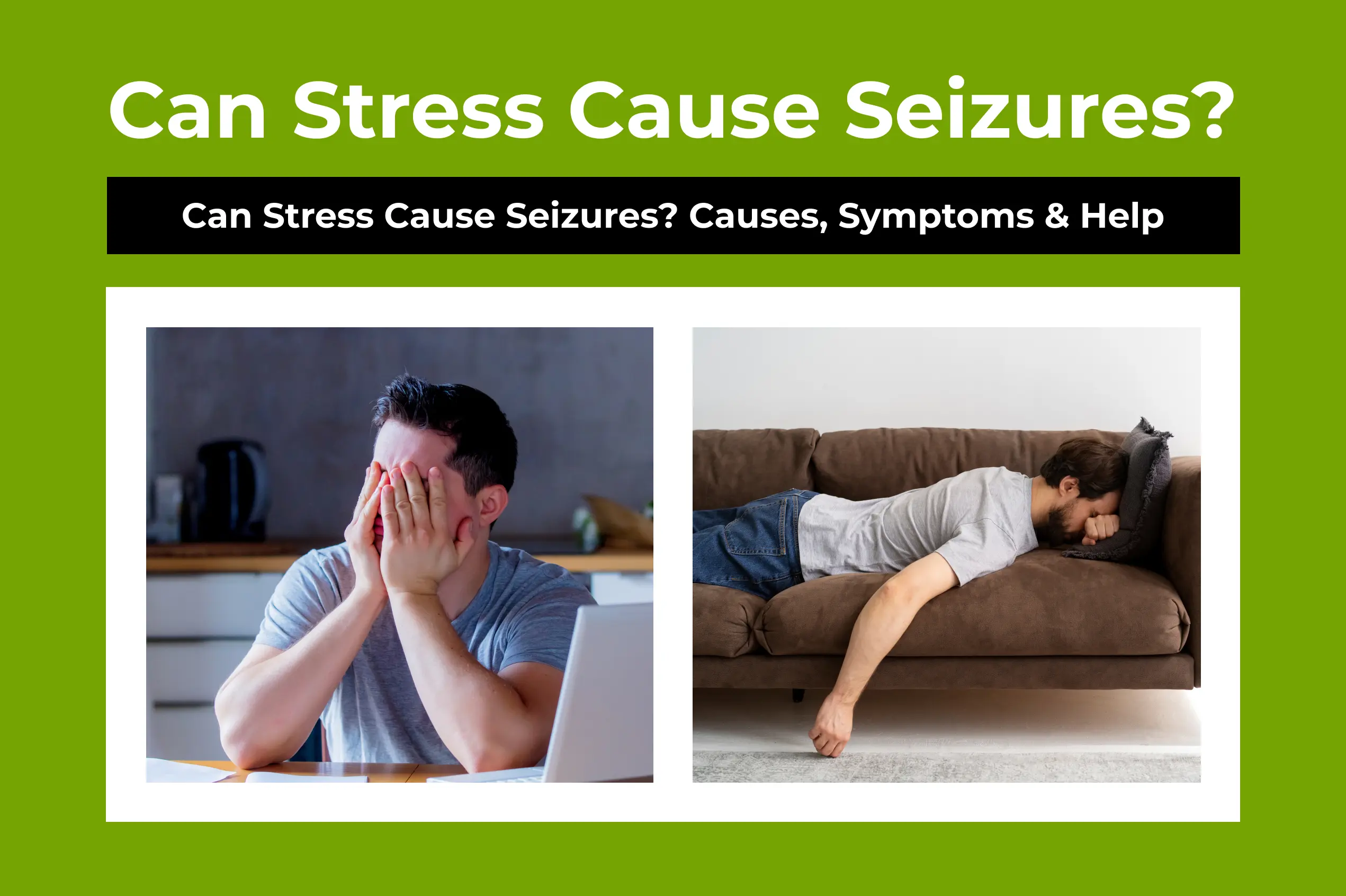
Have you ever felt so stressed that your body seemed to shut down, your heart racing, your muscles trembling, your mind going blank? For some people, that overwhelming wave of stress can do more than just cause panic or fatigue; it can actually trigger a seizure.
Whether you live with epilepsy or not, the connection between stress and seizures is very real and more common than most people realize. Nowadays, in a high-pressure world, understanding how stress and anxiety affect the brain isn’t just important; it’s essential for your health and safety.
In this article, we’ll break down what science says about stress-induced seizures, explore the difference between epileptic and non-epileptic (functional) seizures, reveal key stress seizure symptoms, and share proven management strategies to help you stay in control.
Can Stress Actually Cause a Seizure?
When life becomes overwhelming, our bodies respond in powerful ways. For most people, stress triggers muscle tension, headaches, or trouble sleeping. But in some, the reaction goes far deeper, affecting the brain’s delicate balance of chemicals and electrical activity.
A seizure happens when this balance is disrupted and brain cells (neurons) begin firing uncontrollably. Stress doesn’t directly “cause” epilepsy, but it can absolutely trigger or worsen seizures in people who are already susceptible, and even cause seizure-like episodes in those without epilepsy.
What the Science Says
Studies show that stress is one of the most commonly self-reported seizure triggers among people with epilepsy. According to the Epilepsy Foundation, stress can lower the seizure threshold, meaning the brain becomes more excitable and prone to abnormal electrical bursts.
However, science also makes an important distinction: stress isn’t necessarily the root cause of epilepsy. Instead, it’s a trigger that interacts with other risk factors such as lack of sleep, hormonal changes, illness, or missed medication.
How Does Stress Trigger Seizures?
To understand how stress affects seizures, we need to look inside the brain’s stress-response system, the HPA axis (hypothalamic-pituitary-adrenal axis). When you’re stressed, this system releases hormones like cortisol and adrenaline to help you react.
While these chemicals help in short bursts (“fight or flight”), chronic stress keeps them elevated, which can overstimulate neurons, disrupt neurotransmitter balance, and lead to hyperexcitability in the brain.
This hyperexcitability can make seizures more likely, especially in people who already have a neurological predisposition.
Physical Changes Stress Causes That May Lead to Seizures
- Increased cortisol: Too much cortisol can alter brain chemistry and sleep cycles, both of which raise seizure risk.
- Sleep deprivation: Stress often interrupts sleep, one of the most common seizure triggers.
- Hormonal fluctuations: Chronic stress affects hormones like estrogen and progesterone, which can influence seizure patterns, especially in women.
- Inflammation and fatigue: Prolonged stress weakens the immune system and causes inflammation, both of which can affect brain function.
In short, stress impacts the same brain regions and pathways involved in seizure activity, particularly the limbic system, which governs both emotions and seizure regulation.
Can Stress Cause Epileptic Seizures?
Yes, stress can play a major role in triggering epileptic seizures, though it doesn’t “create” epilepsy out of nowhere. For individuals already diagnosed with epilepsy, high emotional stress can lower their seizure threshold.
Stress as a Trigger, Not a Cause
Think of stress as a match to dry wood: it doesn’t cause the forest, but if the conditions are right, it can spark a fire.
The same is true with epilepsy. Stress alone usually doesn’t cause the condition, but in those who already have it, stress can be a potent trigger, especially when combined with lack of sleep, missed medication, or illness.
What Research Shows
A study published in the Seizure Journal found that people with epilepsy often identify emotional stress as their number one seizure trigger. Other research suggests that chronic stress may even increase seizure frequency or make medications less effective.
Stress-induced hormonal changes can affect brain excitability, while anxiety and depression (common in epilepsy) can worsen the cycle, leading to more frequent or severe episodes.
Can Stress and Anxiety Cause Seizures?
Stress and anxiety often go hand in hand, and both can play a major role in seizure activity. Anxiety triggers similar physical responses to stress, such as rapid heart rate, hyperventilation, and increased adrenaline.
For someone with epilepsy, this can increase the risk of an epileptic seizure. For someone without epilepsy, severe anxiety may cause psychogenic nonepileptic seizures (PNES), episodes that look and feel like seizures but aren’t caused by abnormal electrical brain activity.
How Anxiety Contributes
- Panic attacks and hyperventilation: Overbreathing can reduce oxygen and CO₂ balance, triggering seizure-like symptoms.
- Emotional overload: Extreme fear or trauma can activate physical responses that mimic neurological seizures.
- Vicious cycle: People who fear having a seizure often become more anxious, which can, in turn, increase their risk.
Managing anxiety through therapy, breathing techniques, or medication (under a doctor’s supervision) can significantly reduce both real and perceived seizure episodes.
Can Stress Cause Seizures Without Epilepsy?
Absolutely, and this is where Psychogenic Nonepileptic Seizures (PNES) come in. These are real, involuntary seizure-like episodes that aren’t caused by abnormal brain activity, but by psychological or emotional distress.
What Are PNES or Functional Seizures?
PNES, sometimes called functional seizures or conversion disorder, occurs when intense stress, trauma, or emotional pain manifests physically. The brain “short-circuits” as a protective mechanism, leading to symptoms that closely resemble epilepsy.
People with PNES are not “faking” their symptoms; these are real physical experiences that stem from emotional overwhelm, not conscious control.
PNES vs. Epileptic Seizures
| Feature | Epileptic Seizure | PNES (Functional Seizure) |
| Brain activity | Abnormal EEG patterns | Normal EEG during episode |
| Duration | Usually under 2 minutes | Often lasts longer |
| Awareness | May lose consciousness | May appear unresponsive but aware |
| Movements | Rhythmic, repetitive | Irregular, non-rhythmic |
| Emotional link | Often absent | Often triggered by stress, trauma |
| Treatment | Anti-seizure medication | Psychotherapy (CBT, trauma therapy) |
PNES episodes often occur during times of extreme stress, grief, anxiety, or emotional suppression. They are especially common among individuals with past trauma, PTSD, or high emotional sensitivity.
Stress Seizure Symptoms
Understanding the signs of stress-related seizures, both epileptic and non-epileptic, can help you recognize when to seek help.
1. Epileptic Seizure Symptoms Triggered by Stress
- Sudden loss of awareness or consciousness
- Muscle stiffness or jerking
- Tongue biting or drooling
- Eye rolling, repetitive movements
- Confusion or fatigue afterward (postictal state)
2. Functional (PNES) Seizure Symptoms
- Trembling or shaking that looks like a seizure but lasts longer
- Closed or fluttering eyes during the episode
- Side-to-side head movements
- Crying or vocalizing during the event
- Feeling “out of body” or detached afterward
- No abnormal EEG activity detected
3. Common Warning Signs
- Feeling emotionally overwhelmed or dissociating
- Sudden dizziness, trembling, or loss of focus
- Shallow or rapid breathing
- Muscle spasms during panic or anxiety episodes
If you or someone you know experiences these symptoms, it’s essential to seek a medical evaluation. A neurologist can use video EEG monitoring to determine whether seizures are epileptic or functional.
What Increases the Chance of Having a Seizure?
While stress is a key factor, it rarely acts alone. Seizures, whether epileptic or non-epileptic, are often triggered by a combination of physiological and emotional stressors. Recognizing and managing these triggers can drastically reduce your risk.
Common Seizure Risk Factors
- Sleep deprivation: Not getting enough rest disrupts brain stability and increases excitability.
- Skipping medications: Missing doses of anti-seizure medication can rapidly lower your seizure threshold.
- Hormonal fluctuations: Especially during menstrual cycles or menopause.
- Alcohol or drug use: Both withdrawal and excess use can provoke seizures.
- Physical illness or fever: The body’s immune response can temporarily destabilize the brain.
- Overstimulation: Flashing lights, dehydration, or sensory overload.
- Chronic stress and anxiety: Continuous emotional pressure exhausts the nervous system and amplifies all other triggers.
Keep a seizure diary to track your sleep, stress levels, medication timing, and life events. Over time, patterns often emerge, helping you pinpoint your most common triggers.
How Often Does Stress Trigger Seizures?
Quantifying how often stress triggers seizures is tricky because stress itself is highly personal. What’s mildly irritating to one person may be completely overwhelming to another.
According to the Epilepsy Foundation, most people with epilepsy identify stress as one of their top seizure triggers, though the exact frequency varies. Some studies show that people under chronic stress experience up to twice as many seizures compared to when their stress levels are well managed.
In rare cases, even individuals without epilepsy may experience functional (PNES) episodes after prolonged emotional strain or trauma.
Managing Stress to Reduce Seizure Risk
While not all seizures can be prevented, reducing stress plays a powerful role in lowering both the frequency and severity of episodes. Whether you live with epilepsy or functional seizures, these strategies can help stabilize your mind and body.
1. Lifestyle Strategies
- Prioritize sleep: Aim for 7–9 hours per night and stick to a consistent sleep schedule.
- Eat balanced meals: Low blood sugar and dehydration can increase seizure risk.
- Exercise regularly: Physical activity reduces stress hormones and boosts serotonin.
- Limit alcohol and caffeine: Both can disturb sleep and affect medication efficacy.
- Practice relaxation techniques: Yoga, mindfulness meditation, deep breathing, and tai chi can calm your nervous system.
- Keep a daily routine: Predictability helps reduce mental overload and anxiety.
- Set boundaries: Avoid overcommitment and learn to say “no” to stressful obligations.
2. Psychological & Behavioral Therapies
For PNES or stress-sensitive epilepsy, therapy can be transformative.
- Cognitive Behavioral Therapy (CBT): Helps reframe negative thought patterns and teaches stress-coping techniques.
- Trauma-informed therapy: For those with past trauma or PTSD contributing to PNES.
- Biofeedback therapy: Teaches control over physiological stress responses.
- Support groups: Connecting with others who share your experience reduces isolation and provides coping insights.
3. Medical & Professional Support
- Work closely with your neurologist and mental health professional.
- Never stop or adjust medications without medical supervision.
- Discuss if antidepressants or anti-anxiety medications could complement therapy.
- If seizures occur frequently or worsen, immediate reevaluation is essential.
Remember: Managing stress isn’t about eliminating it. It’s about building resilience so your brain and body can stay balanced under pressure.
Summing Up
Stress affects everyone, but for some, it can do more than cause irritability or fatigue. It can shake the nervous system so deeply that it triggers seizures, whether epileptic or psychogenic.
Understanding your body’s response to stress, learning to recognize early signs, and developing healthy coping mechanisms are your strongest defenses. With the right combination of medical care, psychological support, and lifestyle balance, it’s entirely possible to regain control, not just over your seizures, but over your entire well-being.
If stress or anxiety feels unmanageable, or if you experience seizure-like episodes, reach out to a neurologist or mental health provider. You don’t have to face it alone; real help and recovery are absolutely possible.
FAQs
Q: Can stress really cause seizures in people without epilepsy?
Ans: Yes. These are known as psychogenic nonepileptic seizures (PNES) or functional seizures, real, physical events triggered by emotional distress rather than abnormal brain activity.
Q: Are stress seizures dangerous?
Ans: While they don’t usually cause brain damage, they can lead to injuries during the episode or emotional exhaustion afterward. Any new or unexplained seizure should always be evaluated by a doctor.
Q: Can panic attacks cause seizures?
Ans: Panic attacks alone rarely cause epileptic seizures. However, hyperventilation or intense fear can mimic or trigger PNES-like episodes in some individuals.
Q: How can I tell the difference between PNES and epileptic seizures?
Ans: Only a video EEG can definitively tell. PNES typically show normal brain activity and are linked to emotional stress, while epileptic seizures show abnormal patterns.
Q: Does managing stress reduce seizures?Ans: Yes, both research and patient reports show that active stress management (through sleep hygiene, therapy, and relaxation techniques) can significantly reduce seizure frequency.