Struggling with anxiety can feel overwhelming, especially when traditional treatments like medication and therapy don’t provide the relief you need. But there’s a promising alternative gaining traction for those seeking a new approach: Transcranial Magnetic Stimulation (TMS) therapy.
Originally developed to treat depression, TMS therapy is increasingly showing potential for reducing anxiety symptoms. Unlike medication, TMS is non-invasive, FDA-approved, and doesn’t come with the same side effects as many drugs. If anxiety impacts your daily life, TMS could offer a fresh path toward lasting relief.
What is TMS Therapy for Anxiety?
Transcranial Magnetic Stimulation (TMS), often referred to as TMS therapy, is a non-invasive procedure that uses magnetic fields to stimulate specific brain areas. Primarily, TMS targets the prefrontal cortex—an area linked to mood regulation and anxiety control.
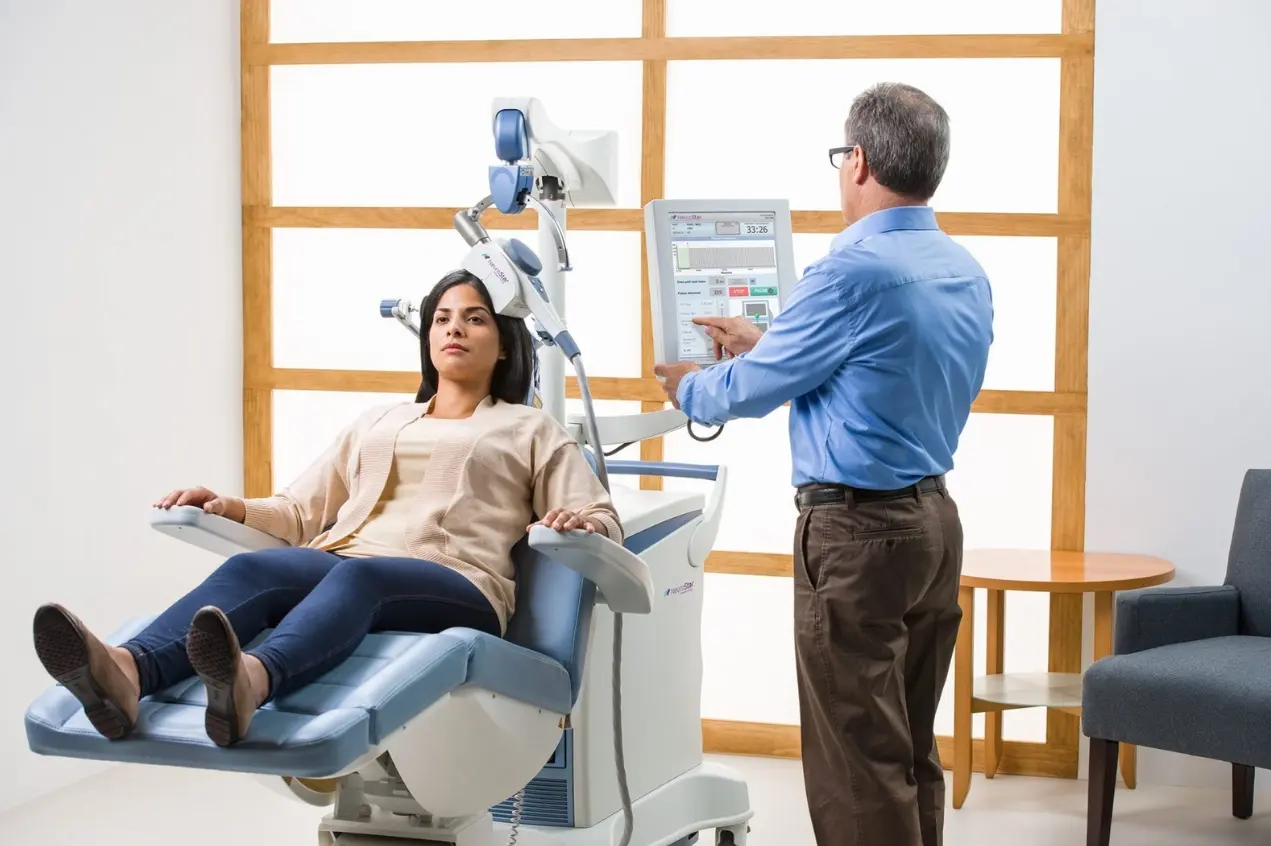
By placing a small electromagnetic coil near the scalp, TMS sends painless magnetic pulses to the brain, helping to activate regions that can relieve anxiety symptoms. Unlike medications, TMS works by directly stimulating nerve cells, which may help improve mood and reduce anxiety symptoms without the same risks of chemical side effects.
In recent years, TMS has been recognized as an effective option for people with treatment-resistant anxiety who haven’t found success with medications or traditional talk therapy. While TMS was first approved for treating depression, researchers have found that this therapy may also benefit people dealing with anxiety disorders, such as generalized anxiety disorder (GAD) and post-traumatic stress disorder (PTSD).
Types of TMS Treatments for Anxiety
TMS therapy for anxiety comes in different forms, each designed to target varying depths and areas within the brain. Let’s explore the main types:
1. Repetitive Transcranial Magnetic Stimulation (rTMS)
rTMS is the most widely used form of TMS and involves sending magnetic pulses repeatedly to stimulate areas of the brain involved in mood regulation. Each session typically lasts between 30 and 60 minutes, during which an electromagnetic coil is placed near the forehead to deliver targeted pulses.
rTMS can reach about 2 cm into the brain, stimulating the nerve cells associated with mood and anxiety. The entire process is painless and doesn’t require sedation, meaning patients can drive themselves to and from their appointments.
2. Theta Burst Stimulation (TBS)
TBS is a newer, faster form of TMS that uses brief bursts of high-frequency stimulation to mimic natural brain rhythms. This form of TMS has been shown to work effectively in shorter time frames, with sessions sometimes lasting only 3 to 10 minutes.
TBS may be particularly appealing to individuals who want a shorter treatment duration while still potentially reaping the benefits of TMS for anxiety.
3. Deep Transcranial Magnetic Stimulation (dTMS)
Unlike rTMS, dTMS targets deeper brain regions by using specialized H-coils, which can reach up to 4 cm into the brain. This technique allows for a broader impact on brain areas associated with both anxiety and depression. Patients undergoing dTMS wear a cushioned helmet, and each session typically lasts about 20 minutes.
For anxiety sufferers, dTMS provides an opportunity to reach brain areas that might play a stronger role in their symptoms, possibly making it an effective choice for those with complex anxiety disorders.
Each of these TMS types may offer unique benefits depending on the individual’s needs. Consulting with a healthcare provider is the best way to determine which TMS treatment might be the most effective for managing anxiety symptoms.
How Does TMS Therapy Work for Anxiety?
The mechanism behind TMS therapy lies in its ability to activate or quiet certain brain areas by stimulating nerve cells. For anxiety sufferers, abnormalities in the prefrontal cortex—the area associated with mood regulation and emotional responses—often play a role in symptoms. By delivering magnetic pulses to this region, TMS may help “retrain” the brain to adopt healthier activity patterns, potentially reducing anxiety.
The science behind TMS suggests that it promotes neuroplasticity, or the brain’s ability to form new pathways and connections. Neuroplasticity is key to altering the way the brain responds to stress and anxiety triggers.
While many patients report feeling an improvement in their symptoms after just a few sessions, full benefits often require multiple treatments over several weeks.
Effectiveness of TMS Therapy for Anxiety Disorders
Studies exploring TMS for anxiety disorders are steadily emerging, and early results are promising. Although TMS is widely known for treating depression, anxiety-focused research reveals that TMS may also help reduce the physical and psychological symptoms of anxiety.
Patients with conditions such as social anxiety disorder and panic disorder have reported improvements in symptoms like restlessness, sleep disturbances, muscle tension, and excessive worry.
While everyone responds to TMS differently, studies have found that individuals who undergo regular TMS sessions—often five sessions per week over four to six weeks—are more likely to experience lasting symptom relief.
Researchers believe that the cumulative effect of TMS sessions is necessary to achieve significant, lasting benefits for anxiety management.
Potential Side Effects and Safety of TMS for Anxiety
One of the advantages of TMS therapy is that it’s generally well-tolerated with minimal side effects, especially when compared to the potential side effects of anti-anxiety medications. However, like any medical procedure, TMS does come with some mild to moderate risks, which can vary by individual.
The most common side effects of TMS include:
- Headaches: Often mild and typically manageable with over-the-counter pain relief.
- Scalp Discomfort: Some patients may experience a tingling or tapping sensation during treatment.
- Neck Pain or Tightness: A temporary sensation that can occur near the coil placement site.
- Fatigue or Sleepiness: Some people report feeling tired after a session, although this usually fades with time.
In rare cases, patients may experience more intense side effects, such as facial twitching or mild cognitive disturbances. While these effects are usually short-lived, it’s essential for patients to discuss any concerns with their healthcare providers. Importantly, there is no evidence suggesting that TMS worsens anxiety; rather, it typically alleviates symptoms as treatment progresses.
For individuals concerned about the risk of seizures, it’s worth noting that TMS therapy carries a low seizure risk—less than 0.1%—and patients are carefully screened before beginning treatment. TMS therapy’s safety profile has made it an appealing option for many individuals who want to avoid medication side effects or who are unresponsive to other forms of anxiety treatment.
Who is a Good Candidate for TMS Therapy?
TMS therapy is especially suited for people with treatment-resistant anxiety who haven’t experienced success with traditional therapies like medication or cognitive behavioral therapy (CBT). Additionally, TMS may be an ideal option for individuals who prefer non-invasive treatments without the side effects of pharmaceuticals.
Here are some characteristics of good candidates for TMS therapy:
- Struggle with Medication Side Effects: Patients who find medication side effects intolerable or wish to avoid long-term medication use may benefit from TMS.
- Insufficient Results from Traditional Therapy: Individuals who have not seen improvement in anxiety symptoms despite trying psychotherapy or medication.
- Preference for Non-Invasive Treatments: Those who prefer therapies that do not require surgery or sedation.
To determine if TMS therapy is right for you, consult with a healthcare provider specializing in mental health. A professional assessment will help establish whether you meet the criteria for TMS and guide you on the type of TMS that might be most beneficial.
Summary
TMS therapy offers a promising and non-invasive path toward managing anxiety, especially for those who haven’t found success with conventional treatments. With its low-risk profile and targeted approach to brain stimulation, TMS may provide the symptom relief you’re seeking. Whether you’re struggling with generalized anxiety disorder, social phobia, or PTSD, TMS therapy could be a powerful tool in your journey toward mental wellness.
If you’re considering TMS therapy for anxiety, consult with a qualified healthcare provider to explore your options. This groundbreaking treatment may be just what you need to regain control, reduce anxiety, and improve your quality of life.