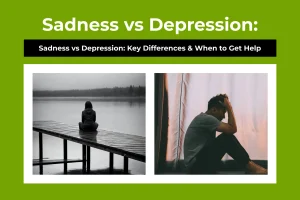
Mental health is a universal concern, but for men, it’s often shrouded in silence. While women are more likely to be diagnosed with mental health conditions like depression, men face a unique set of challenges when it comes to their mental well-being.
Men’s mental health matters, yet it’s frequently overlooked due to societal expectations that men should be tough, unemotional, and stoic. These stereotypes can prevent men from seeking help, leading to untreated issues, higher suicide rates, and a decline in overall quality of life.
In this blog, we’ll explore why men’s mental health deserves our attention, the barriers that prevent men from getting the help they need, and the steps we can all take to foster an environment where men feel comfortable speaking out and seeking support.
Why Is Men’s Mental Health Overlooked?
In many cultures, men are raised with a strong emphasis on traditional masculine norms—qualities like strength, independence, and emotional restraint. Phrases like “man up” or “boys don’t cry” have been drilled into them from an early age, making it difficult for many men to discuss their mental health struggles openly.
This silence around men’s mental health is contributing to an alarming trend. According to the National Institute of Mental Health (NIMH), men are significantly more likely than women to die by suicide—nearly four times more likely.
This statistic underscores the importance of addressing this issue head-on and breaking down the walls of stigma that prevent men from getting the care and support they deserve.
Why Is Men’s Mental Health Important?
When we talk about health, mental well-being should be just as important as physical health. However, men’s mental health often takes a back seat to more visible concerns like heart disease, diabetes, or cancer. What many don’t realize is that untreated mental health issues, like depression or anxiety, can exacerbate physical conditions and lower life expectancy.
Men with untreated mental illnesses are at higher risk of engaging in harmful behaviors such as excessive drinking, drug use, and even reckless driving. These behaviors aren’t just a byproduct of mental distress—they’re often symptoms of deeper, untreated emotional pain.
Additionally, men’s mental health matters because it affects their ability to work, maintain relationships, and contribute positively to their communities.
The reality is simple: when a man’s mental health is ignored, his physical health and life satisfaction can significantly deteriorate. Just like physical ailments, mental health issues need to be taken seriously and addressed as soon as possible.
Signs and Symptoms of Mental Health Issues in Men
It’s often said that men and women experience mental health challenges differently. While depression and anxiety can manifest in both genders, men are less likely to express their feelings of sadness, hopelessness, or vulnerability.
Instead, they may exhibit behaviors such as irritability, anger, and risk-taking. Understanding these subtle signs is essential to recognizing when a man may need support.
Here are some common symptoms of mental health struggles in men:
- Escapist behavior: A tendency to throw oneself into work, sports, or other activities to avoid dealing with emotional pain.
- Increased use of alcohol or drugs: Often used as a coping mechanism to numb emotional distress.
- Anger and irritability: Men might become more aggressive or emotionally distant instead of showing sadness or anxiety.
- Physical symptoms: Chronic pain, headaches, digestive issues, or unexplained physical discomfort that may stem from emotional stress.
- Risky behavior: Engaging in reckless driving, gambling, or other high-risk activities.
These signs can often go unnoticed because they don’t fit the traditional image of someone struggling with depression. Understanding the diverse ways mental health issues manifest in men is the first step in offering the help they need.
Why Men Avoid Seeking Treatment
For many men, asking for help or admitting vulnerability is seen as a weakness. Society’s expectation for men to be strong, self-reliant, and emotionally “tough” often means they suppress their emotional needs until they can no longer cope. This is why men’s mental health matters—because the consequences of ignoring it can be life-threatening.
A major barrier for men seeking mental health support is the fear of being judged or labeled as weak. Men often feel the pressure to handle problems independently and view emotional expression as a failure. According to studies, less than 50% of men with depression seek treatment, compared to over 60% of women.
In addition to these personal and societal barriers, healthcare providers may also inadvertently overlook or dismiss symptoms in men. Due to ingrained biases, some doctors may assume that men don’t experience emotional distress the same way women do, leading to misdiagnoses or inadequate treatment.
Redefining Masculinity to Support Men’s Mental Health
One of the most crucial steps in addressing men’s mental health is to challenge and redefine traditional ideas of masculinity. Being a “real man” should no longer mean being stoic, emotionally reserved, or invulnerable. Instead, modern masculinity must embrace emotional openness, vulnerability, and the courage to ask for help when needed.
By encouraging men to view mental health as an integral part of overall well-being—not something to be ashamed of—we can shift the narrative from “toughing it out” to proactively seeking the support they deserve.
As we redefine what it means to be strong, we make it easier for men to speak up about their struggles without fear of judgment.
How to Support Men’s Mental Health?
If we want to ensure men’s mental health matters, we need to start by creating supportive environments where men feel safe to open up. Here are some ways we can help:
Normalize Mental Health Conversations: Create an open environment where discussing emotions and mental health is part of everyday life, reducing the stigma surrounding men’s mental well-being.
Check In Regularly: Ask the men in your life how they’re doing, not just in passing, but with genuine concern. A simple “How are you feeling today?” can prompt meaningful conversations.
Encourage Professional Help: Suggest therapy or counseling when you notice signs of distress. Let them know that seeking professional support is a sign of strength, not weakness.
Listen Without Judgment: Offer a non-judgmental space for men to express their feelings. Sometimes, just listening can help them feel understood and supported.
Challenge Harmful Stereotypes: Encourage men to embrace vulnerability and redefine masculinity. Remind them that emotions like sadness, fear, and anxiety are normal and valid.
Provide Resources: Share helpful resources such as mental health hotlines, support groups, or online platforms that focus on men’s mental health.
Be Patient and Persistent: Men may take longer to open up about their mental health struggles. Be patient and continue offering support even if they initially resist.
Foster Healthy Habits: Promote physical activities, healthy eating, and regular sleep patterns. A healthy body supports a healthy mind, and these habits can help prevent mental health issues.
Resources and Support for Men’s Mental Health: Where to Turn for Help
If you or someone you know is struggling with mental health issues, there are many resources available:
- National Institute of Mental Health (NIMH): Offers comprehensive information on mental health conditions, treatments, and research.
- Movember Foundation: Focuses on men’s health issues, including mental health and suicide prevention.
- Man Therapy: A humorous and practical website that uses therapy to challenge the stigma surrounding men’s mental health.
For anyone who may be struggling, remember: it’s okay to ask for help. Seeking support is a sign of strength, not weakness.
Conclusion
As we continue to address mental health issues in our communities, it’s essential that men’s mental health is given the attention and support it deserves. Men face unique challenges when it comes to mental well-being, and breaking the stigma around seeking help is the first step in ensuring that these challenges are addressed before they escalate into crises.
Let’s start by changing the conversation. Let’s encourage our friends, family, and colleagues to talk openly about their mental health. Let’s redefine what it means to be strong by embracing vulnerability, seeking help, and supporting each other.