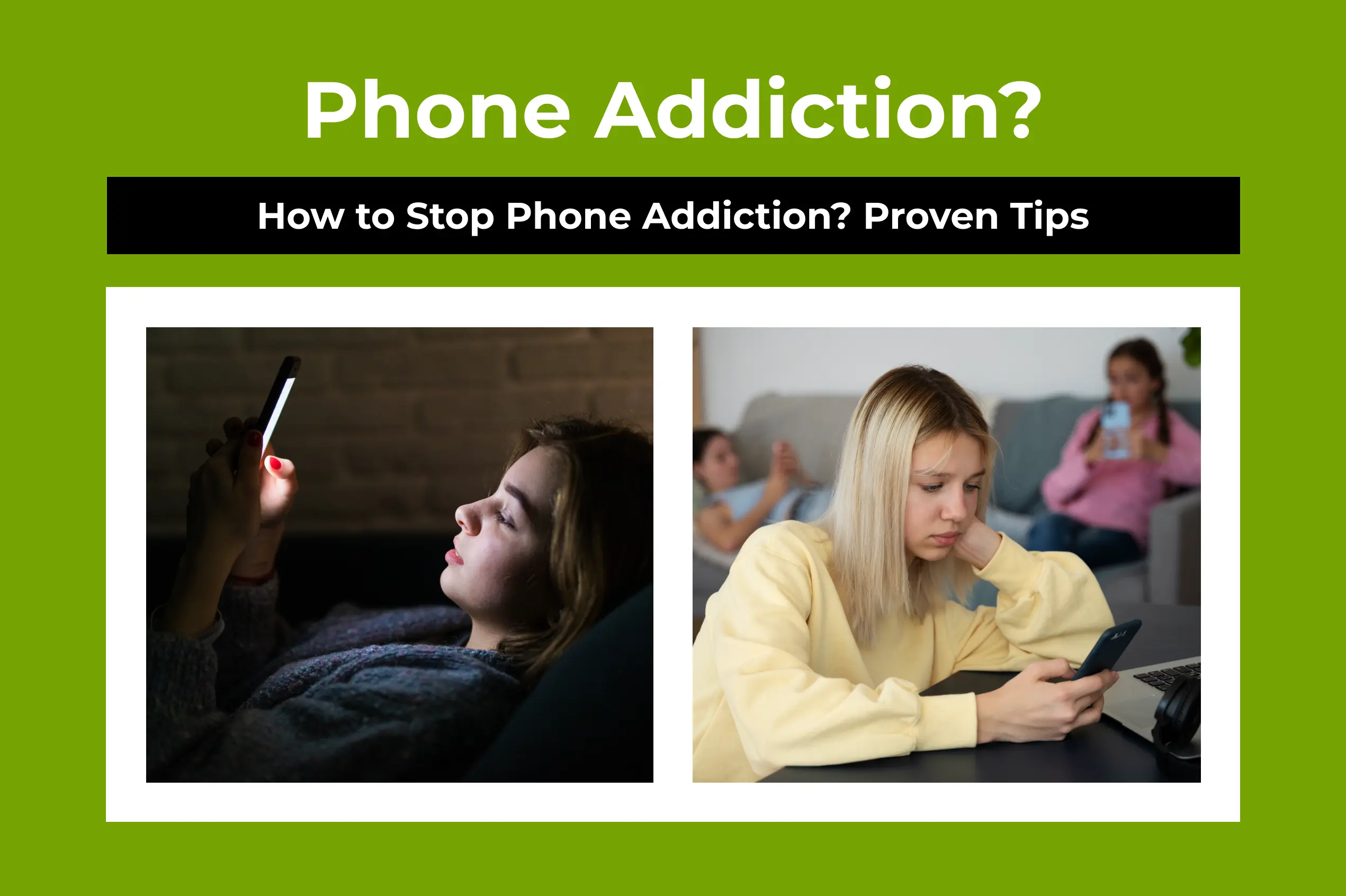
Do you ever catch yourself reaching for your phone the moment you wake up, before you’ve even stretched, smiled, or taken a deep breath? You’re not alone. Studies show the average person checks their smartphone over 90 times a day, often without realizing it. What begins as “just a quick scroll” can easily spiral into hours of lost time, stress, and even anxiety when we’re away from our devices.
The truth is, phone addiction is real. It’s quietly shaping our habits, draining our focus, and pulling us away from the very things that bring meaning to life, deep work, quality rest, and genuine human connection. But here’s the good news: breaking free from this cycle is not only possible, it’s completely within your control.
What is Phone Addiction?
Phone addiction, also known as smartphone addiction or nomophobia (the fear of being without your phone), is a behavioral dependency that makes it difficult to control the urge to use your device. Unlike substance addiction, it doesn’t involve chemicals, but it does activate the brain’s reward system in a similar way.
Common signs of phone addiction include:
- Checking your phone first thing in the morning and last thing before bed.
- Feeling anxious or restless without your device nearby.
- Losing track of time while scrolling social media or watching videos.
- Ignoring real-life interactions in favor of screen time.
If you recognize yourself in these signs, you’re not alone. Millions of people worldwide are struggling with the same issue, but the key is awareness, which is the first step to change.
Why is Phone Addiction Harmful?
Phone addiction may feel harmless, but over time, it can affect nearly every area of life.
1. Mental health impacts
Constant notifications keep the brain in a state of hyper-alertness, which increases stress, anxiety, and even depression. Excessive scrolling also contributes to poor self-esteem due to endless comparisons on social media.
2. Physical health problems
Staring at a screen for hours can lead to eye strain, headaches, poor posture, and neck/back pain (“tech neck”). Late-night usage disrupts melatonin production, making quality sleep harder to achieve.
3. Productivity loss
Frequent phone use fragments attention and reduces focus, making tasks take longer. Over time, this can hurt work performance, studies, and personal goals.
4. Relationship strain
Being glued to your phone often leads to less meaningful conversations, reduced intimacy, and conflicts with friends or family who feel ignored.
How to Stop Phone Addiction: Step-by-Step Strategies
Breaking free from phone addiction doesn’t mean throwing your device away — it’s about regaining control so that your phone serves you, not the other way around. Here are some of the most effective strategies:
1. Identify Your Triggers
Notice when you instinctively pick up your phone. Is it boredom? Stress? Waiting in line? By identifying the “why,” you can replace the habit with a healthier action. Try keeping a screen time journal for a week to track your usage patterns.
2. Set Realistic Screen Time Goals
Start small. Instead of aiming to cut usage by 50% overnight, reduce it gradually. Use built-in tools like:
- iOS Screen Time
- Android Digital Wellbeing
These apps allow you to monitor screen time, set daily limits, and receive reminders when you’re nearing your quota.
3. Turn Off Non-Essential Notifications
Every buzz, ding, or banner is a dopamine trigger designed to pull you back in. Disable social media and shopping app notifications so you’re not tempted every few minutes. Pro tip: keep only essential alerts (like calls or work messages).
4. Create No-Phone Zones & Times
Designate certain areas and moments as phone-free zones, such as:
- The bedroom (to protect sleep).
- The dining table (to improve family connections).
- The first hour after waking up and the last hour before bed.
These boundaries help you reclaim mental space and create healthier routines.
5. Replace Phone Habits with Alternatives
Ask yourself: “What am I trying to get from my phone?” If it’s relaxation, try journaling, meditating, or going for a short walk. If it’s entertainment, pick up a book, play a game with friends, or try a new hobby. Over time, these replacements become your new defaults.
6. Use the 20-Second Rule
Make phone access less convenient. Keep it in another room, or at least across the room, so you need to physically move to grab it. That extra 20 seconds can disrupt the impulse and give your brain space to reconsider.
7. Try Digital Detox Challenges
A digital detox doesn’t have to mean going off the grid forever. Start with small challenges:
- 1-hour phone-free challenge each evening.
- No-phone Sundays with family.
- A 30-day phone detox, where you gradually reduce usage week by week.
These challenges build momentum and show you how good life feels without constant scrolling.
Helpful Tools & Apps to Stop Phone Addiction
Technology can be part of the solution if you use it wisely. Here are some apps designed to help:
| App Name | Best For | Key Feature |
| Forest | Staying focused | Grow virtual trees when you stay off your phone. |
| Freedom | Blocking distractions | Blocks apps, websites, or the entire internet. |
| RescueTime | Tracking productivity | Gives detailed reports on digital habits. |
| Stay Focused | Self-control | Lets you set strict limits on certain apps. |
| Digital Wellbeing (Android) | Built-in tracking | Shows screen time and lets you set app timers. |
| Screen Time (iOS) | Usage monitoring | Weekly reports + app limits. |
These tools make it easier to manage cravings and stick to your screen time goals.
Lifestyle Changes to Support a Phone-Free Life
Beating phone addiction isn’t just about apps or limits, it’s about building a healthier lifestyle that naturally reduces dependency.
1. Improve Sleep Hygiene
Charge your phone outside your bedroom. Replace late-night scrolling with reading, stretching, or journaling.
2. Build Offline Hobbies
The more fulfilling your offline life, the less you’ll crave screen time. Try activities like hiking, painting, playing music, or cooking.
3. Strengthen Real-Life Connections
Plan regular meetups with friends, have tech-free dinners, or join local clubs. Human connection fills the same needs that scrolling often tries (and fails) to meet.
When to Seek Professional Help
If you’ve tried cutting back but still feel powerless, it may be time to get help. Consider speaking with:
- A therapist who specializes in behavioral addictions.
- Digital detox coaches.
- Support groups for technology overuse.
Warning signs you may need professional help:
- Severe anxiety without your phone.
- Using your phone as an escape from all problems.
- Neglecting work, relationships, or health due to excessive screen use.
Conclusion
Phone addiction might feel overwhelming, but remember: you control your device, not the other way around. By making small, consistent changes, like limiting screen time, setting boundaries, and building offline habits, you’ll gradually retrain your brain and free yourself from the constant pull of notifications.
The reward? More focus, deeper relationships, better sleep, and a healthier, happier life.
Start today. Pick just one strategy from this guide and put it into action. Over time, those small steps will create a life where your phone is simply a tool, not a trap.
FAQs
Q1: How many hours of phone use is healthy?
Ans: Experts suggest limiting recreational screen time to 2 hours per day. Work or study use is separate, but frequent breaks are essential.
Q2: What causes phone addiction?
Ans: The main causes are dopamine-driven design (apps are built to be addictive), stress, boredom, and the need for social validation.
Q3: How long does it take to break phone addiction?
Ans: It depends on your habits, but with consistent effort, many people see results in 3–4 weeks of mindful practice.
Q4: What is the fastest way to stop phone addiction?
Ans: The quickest way is to combine strategies: disable notifications, use an app blocker, and set up no-phone zones. A digital detox challenge can accelerate progress.